Choose wood shavings by the exact wood, package and usable loose-volume description, then match them to your birds and maintenance routine. Country Heritage and Kaytee explicitly distinguish packed from expanded quantities, while PETSPICK labels its usable volume. Small Pet Select offers a poultry-labeled pine product, while PETSPICK and Kaytee provide more modest nominal packs. Aspen is a conditional material alternative, with suitability and quantity questions to resolve first.
We may earn a commission when you buy through links on this page.
Our picks at a glance
Start with the features that fit your setup.
Poultry-labeled pine pack
Small Pet Select Pine Chicken Shavings

Chicken-specific pine shavings; the nominal package and a cubic-foot field need clarification before coverage calculations.
- Material
- Pine shavings
- Selected package
- 141 L usable, per label
Aspen alternative to assess
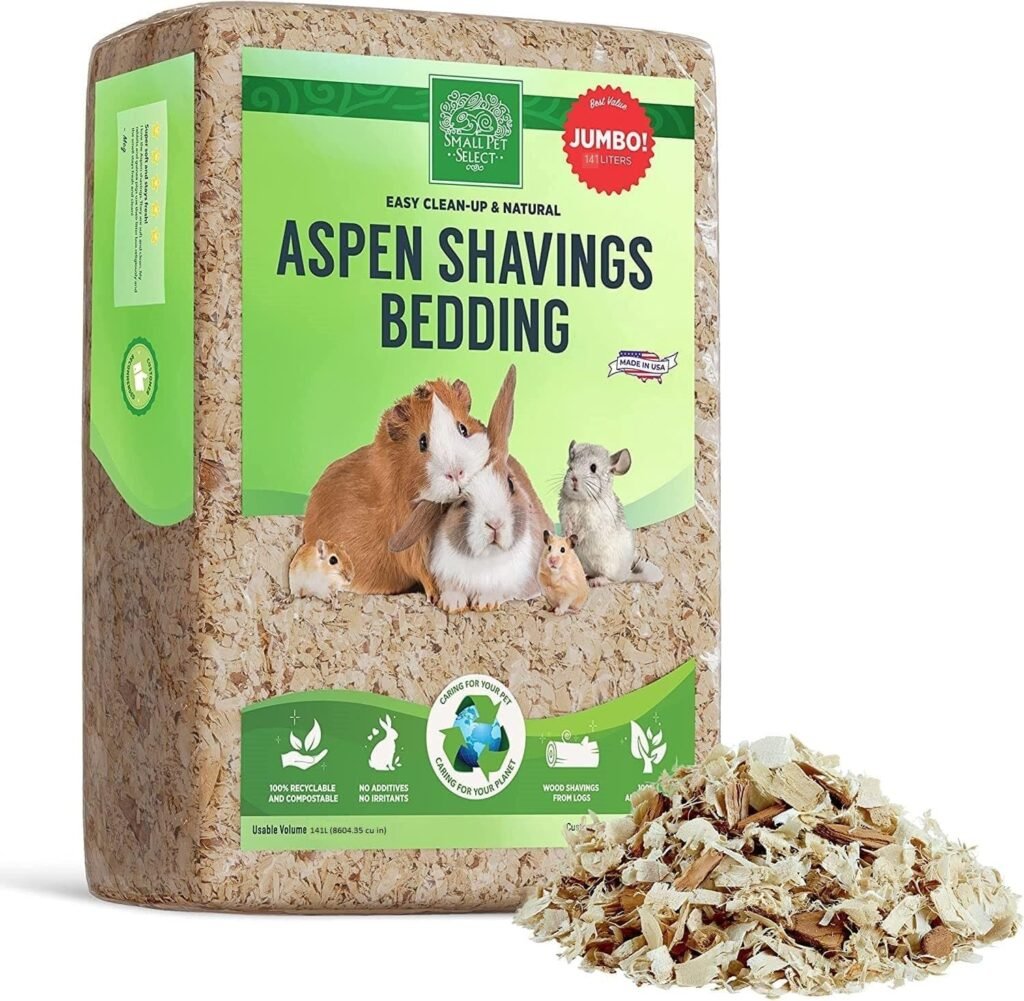
Small Pet Select Aspen Shavings

A distinct aspen material with a 141 L label; its small-pet context and conflicting cubic-foot field require care.
- Material
- Heat-treated aspen shavings
- Selected package
- 141 L usable, per label
Also in this guide
- Kaytee Pine Bedding52.4-liter pine package
- PETSPICK Pine Bedding24-liter usable-volume trial
- Country Heritage Premium Pine ShavingsExplicit uncompressed-volume reference
Wood-shavings offers compared
| Product | Material | Selected package | Volume basis | Buying distinction |
|---|---|---|---|---|
| Small Pet Select Pine Chicken Shavings | Pine shavings | 141 L usable, per label | Maker site also lists 2 cuft | Chicken-specific product family |
| Kaytee Pine Bedding | Kiln-dried pine | 52.4 L expanded, per label | 20.5 L packed, per label | Smaller than the 141 L labels |
| PETSPICK Pine Bedding | Kiln-dried natural pine | 24 L usable, per label | 1500 cuin stated usable volume | Smallest nominal pack here |
| Country Heritage Premium Pine Shavings | Pine shavings | 8 cu ft uncompressed | 3.25 cu ft compressed bale | Bulk volume with a stated basis |
| Small Pet Select Aspen Shavings | Heat-treated aspen shavings | 141 L usable, per label | Maker site also states 4 cuft | Different wood, not another pine size |
Five wood-shavings offers
01 / Poultry-labeled pine pack
Small Pet Select Pine Chicken Shavings
Best for: An adult-flock buyer seeking a poultry-labeled pine product and willing to clarify quantity before a whole-floor order.
- Material
- Pine shavings
- Selected package
- 141 L usable, per label
Why consider it
- Identified as a chicken pine-shavings product.
- Selected label states 141 L usable volume.
- Pine format can be considered separately from aspen.
Keep in mind
- Liter and cubic-foot descriptions need clarification.
- Site quantity conflicts with the stated usable-volume label.
- No independent dust or absorbency comparison.
Read the full analysis of Small Pet Select Pine Chicken Shavings
Small Pet Select sells these as chicken pine shavings, with the selected package labeled 141 L. That specific product identity distinguishes it from a generic bag of workshop residue or a similarly named small-pet litter. It is a reasonable starting candidate when you have chosen pine bedding for an adult-flock floor and want the supplier to identify the intended material. The selected package photograph explicitly labels 141 L as usable volume.
There is a quantity question to settle before planning the fill. The product page identifies the 141 L size but also gives a two-cubic-foot figure in its specifications. Those numbers are not equal volumes: 141 liters is approximately 4.98 cubic feet, while two cubic feet is approximately 56.6 liters. The photographed usable-volume label supplies one stated basis, but the conflicting site field still needs clarification. We do not silently decide that the two-cubic-foot field means compressed volume.
Ask the supplier to reconcile its site field with the package’s stated 141 L usable volume before a quantity-critical order. Keep that answer with your measured floor and chosen depth. Manufacturer dust and treatment claims are not independent comparative evidence, and the poultry label does not establish that every flock or brooder should use the same routine.
Key specs: Selected chicken pine-shavings label: 141 L usable volume; maker SKU SPSPINEBED. Site also states 2 cuft, an unresolved conflict.

02 / 52.4-liter pine package
Kaytee Pine Bedding
Best for: A buyer who needs a more modest nominal pack and will confirm material suitability for the actual housing.
- Material
- Kiln-dried pine
- Selected package
- 52.4 L expanded, per label
Why consider it
- Manufacturer identifies kiln-dried pine.
- Selected label distinguishes 20.5 L packed from 52.4 L expanded.
- More modest nominal quantity than the bulk labels here.
Keep in mind
- Expanded quantity is a package claim, not a measured fill result.
- Manufacturer context is small-animal housing.
- Default product-page dimensions may belong to another size.
Read the full analysis of Kaytee Pine Bedding
Kaytee identifies this bedding family as kiln-dried pine. The selected Amazon offer is 52.4 L, a different handling and storage commitment from the 141 L-labeled packs. Check the actual size in the title and photograph rather than treating every Kaytee pine listing as the same package.
The manufacturer page is written for small-animal housing and contains size-specific fields. We do not transfer its default page dimensions or weight to this 52.4 L offer, while the selected photograph explicitly states 20.5 L packed and 52.4 L expanded. That labeled expanded amount can support a transparent geometric estimate; it is not a measured result from this site.
Consider the pack for its documented material and nominal size, then confirm suitability for your birds and housing with appropriate guidance. The maker’s open, ventilated-cage context is not a certification for a closed poultry building. Nor does kiln drying prove that the delivered bedding will stay dry after a drinker leaks.
Key specs: Selected Kaytee pine label: 1250 cu in (20.5 L), expands to 3200 cu in (52.4 L); maker describes kiln-dried pine. No measured coverage or weight claim.

03 / 24-liter usable-volume trial
PETSPICK Pine Bedding
Best for: Checking a modest quantity of pine material before committing to a larger order.
- Material
- Kiln-dried natural pine
- Selected package
- 24 L usable, per label
Why consider it
- Exact 24 L size is listed in the maker’s range.
- Manufacturer confirms kiln-dried natural pine.
- Small nominal quantity suits a limited handling trial.
Keep in mind
- More separate packages may be needed for a large floor.
- 24 L is the package’s stated usable quantity, not a measured result.
- Pet-cage routines do not establish poultry maintenance.
Read the full analysis of PETSPICK Pine Bedding
PETSPICK is an American Wood Fibers bedding brand. Its pine-bedding page identifies kiln-dried natural wood and includes a 24 L size in the range. The selected Amazon package matches that nominal size, making this the smallest labeled usable quantity among these five offers. The main photograph expressly identifies 24 L as usable volume.
A modest package can answer a practical handling question: does the material fit the way you spread, inspect and remove bedding in your particular housing? That is a task-specific trial, not a test of the maker’s absorbency or dust percentage. Do not infer a comparative health benefit from a fresh-looking photograph or the word natural.
The same brand also sells larger pine packages and other wood types. Keep the 24 L pine identity attached to the order. Small-pet cage depths and replacement calendars on the manufacturer’s page are not instructions for every chicken-coop floor, while its usable-volume label can inform a stated floor-fill estimate. That package claim does not establish a measured service life.
Key specs: Selected PETSPICK pine label: 24 L usable volume (1500 cuin), American Wood Fibers; kiln-dried natural wood. Not cedar or aspen.

04 / Explicit uncompressed-volume reference
Country Heritage Premium Pine Shavings
Best for: Planning a bulk floor fill with the compressed and uncompressed figures kept separate.
- Material
- Pine shavings
- Selected package
- 8 cu ft uncompressed
Why consider it
- Brand states compressed and uncompressed volumes separately.
- Selected photograph labels expanded 8 cuft/226.5 L.
- Brand description includes poultry applications.
Keep in mind
- Weight fields are inconsistent across sources.
- Bulk storage and transport need planning.
- Volume does not establish cleanout frequency.
Read the full analysis of Country Heritage Premium Pine Shavings
Country Heritage provides an explicit compression distinction. The brand’s CountryMax product page specifies 8 cubic feet uncompressed and 3.25 cubic feet compressed for this pine-shavings bale. The selected Amazon main image also labels 8 cubic feet, or 226.5 liters, expanded.
That gives a usable reference for a geometric fill estimate, with allowances still needed for handling, reserve material and actual spreading. The compressed figure describes the bale rather than the amount you should substitute for loose volume. Do not multiply by a guessed universal expansion ratio when comparing it with another brand.
The Amazon package photograph says 35 lb, while the brand page has a different weight field. We do not resolve that discrepancy into a precise net-weight ranking. Choose this candidate for the documented volume basis and plan the handling separately. Stock and delivery differ between retailers; a listing checked during research is not a promise for your address.
Key specs: Country Heritage SKU 96290242, UPC 075329400770; 8 cuft uncompressed, 3.25 cuft compressed. Selected label 35 lb; no reconciled weight claim.
05 / Aspen alternative to assess
Small Pet Select Aspen Shavings
Best for: An adult-flock buyer deliberately considering aspen and prepared to verify suitability and the inconsistent volume description.
- Material
- Heat-treated aspen shavings
- Selected package
- 141 L usable, per label
Why consider it
- Different wood type provides a real material choice.
- Maker identifies shavings from logs and heat treatment.
- Single-package label states 141 L usable volume.
Keep in mind
- 141 L and 4 cuft descriptions conflict.
- Detailed maker care guidance concerns small pets.
- Not a general brooding recommendation.
Read the full analysis of Small Pet Select Aspen Shavings
Small Pet Select identifies this material as heat-treated aspen shavings from logs. It is a different wood choice from the same brand’s chicken pine product, so the second entry is not a color change or a duplicate multi-pack. The selected offer is one 141 L package, not the 41 L size or two-pack.
The manufacturer’s aspen page gives 141 L and also says that size expands to 4 cubic feet. Those are not equivalent amounts: 4 cubic feet is approximately 113 liters. The photographed package explicitly states 141 L usable volume. Ask the supplier to reconcile that label with the site’s 4 cubic feet before a quantity-critical purchase.
The manufacturer’s detailed care text addresses small pets. It does not establish a chicken-specific change interval, a respiratory-health result, or suitability for every brooder. Oklahoma State Extension’s Pullet Chain Manual identifies pine or aspen as bedding choices; that general material guidance does not certify this SKU. Consider this a conditional adult-flock material alternative, not a recommendation to substitute hardwood into a chick setup. Obtain appropriate poultry guidance for the actual birds before changing materials.
Key specs: Selected single aspen label 141 L usable volume (8604.53 cuin), SKU ASPN-141; maker site also lists 4 cuft, requiring clarification.
How we chose
We screened 53 catalog results for pine or aspen shavings rather than treating every result as a different product. The retained five offers span four brands. Small Pet Select appears twice because pine and aspen are different woods; we did not add several sizes or colors of the same product to lengthen the comparison.
We checked the exact public Amazon pages, the main package photographs and available manufacturer descriptions. The selected offers had an order button when checked. Availability can change by seller, date and delivery address. We excluded a Manna Pro Fresh Flakes offer that did not expose an order button during this research, rather than presenting a searchable listing as a confirmed purchasing option.
Paper bedding, pellets, hemp, cedar products, herbal blends and unverified mixed workshop waste were outside this comparison. That is a scope decision, not a claim that every excluded material has the same properties or risk. The question here is which documented shaving offer is useful after you have narrowed the material choice.
The comparison separates published facts from unresolved fields. The selected Small Pet Select photos state 141 L usable volume, although their manufacturer-page cubic-foot fields conflict. Item-weight metadata can also describe something other than net contents. We retained quantity discrepancies where they change the purchase decision instead of filling the table with invented coverage figures.
We did not test absorption, dust, odor control or time between cleanouts. Manufacturer percentages and broad health language are not a common test method across these bags. Our recommendations identify practical buying tasks supported by the documented material and package; they do not rank measured flock outcomes.
How to choose wood shavings for a chicken coop
Start with the wood and the birds, not the largest bag
For general poultry-litter context, University of Kentucky poultry specialist Jacquie Jacob's extension article identifies softwood shavings, particularly pine, as a usual reference material. It also emphasizes material quality and freedom from contaminants. That supports checking the actual wood and source rather than calling every bag of pale flakes equivalent.
Keep the birds’ stage in the decision. This comparison concerns documented material and buying choices for adult-flock housing; it is not a brooding prescription. A small-pet product page does not establish chick suitability, and a familiar brand name does not remove the need for appropriate poultry guidance when you change material or house young birds.
Read the package identity before the marketing panel. Pine, aspen, paper and compressed wood pellets can sit next to one another in the same seller’s range. Choose the exact material you intend to use. If a delivery does not match that identity, settle the discrepancy before spreading it in an occupied coop.
Keep compressed and uncompressed quantities separate
A compressed bale is convenient for shipping and storage, while loose material is what occupies the floor. Country Heritage supplies both descriptions, and Kaytee labels 20.5 L packed expanding to 52.4 L. PETSPICK labels 24 L usable volume. The Small Pet Select photos state 141 L usable volume, but the respective web-page cubic-foot fields conflict. Do not assume a compression ratio that would make those numbers agree.
Liters and cubic feet can be converted only when they describe the same physical state. One cubic foot is approximately 28.3 liters. Thus 141 liters is approximately 4.98 cubic feet; it is not two cubic feet or four cubic feet. A discrepancy can be a labeling or specification problem to clarify, not an invitation to guess which number the brand meant.
Ask a precise question: what usable loose volume does this exact single package provide, and is the quoted figure compressed, expanded or something else? Keep the response with the selected model and size. An answer for a two-pack or a different regional bag does not settle the single-pack question.
Use a transparent floor-fill estimate
For a hypothetical 36-square-foot floor and an assumed two-inch layer, the geometric amount is 36 × 2/12 = 6 cubic feet, approximately 170 liters. The two-inch depth is an example input, not a universal recommendation for every product, building or flock. Use the relevant setup guidance for the real installation.
Compared with a documented eight-cubic-foot uncompressed supply, that example would leave a nominal two cubic feet, about 57 liters, before spreading losses or reserve decisions. It does not establish how many top-ups will remain or how long the first fill will last. Removal, moisture and actual use change the consumption.
The package usable-volume claim is one source for an estimate, while a conflicting site field is still a question to resolve before a quantity-critical order. Keep both sources visible rather than discarding the photographed label. Likewise, do not use outside bag dimensions or pounds from a different brand’s density as a shortcut to the loose amount.
Choose a package you can move and keep dry
Think through the entire route from delivery to storage to the coop. Check doorways, steps and the place the opened bag will stand. A nominally smaller pack may suit that route even if a bulk bale looks more convenient on a product grid.
Plan protected storage after opening. The unopened package covering does not prove that a loosely folded opened bag can stand in rain or on a damp floor. Keep the clean reserve separate from removed litter and make it possible for the backup caregiver to identify the correct material.
Do not rank these bags by inconsistent weight fields. The Country Heritage label and web fields differ, and the Small Pet Select descriptions also have weights that vary between sources. Where handling weight is decisive, ask for the net quantity and shipping weight separately rather than silently treating one as the other.
Treat flake descriptions as a compatibility question
Fine, soft and large-flake are not a shared particle-size test. A photograph can help identify the format but does not establish a measured size distribution, dust concentration or comparative absorption. We did not sieve these materials or measure airborne particles.
Consider the cleaning tool and the debris you need to remove. A scoop that works with one material may remove too much clean bedding or leave the intended waste with another. A modest trial can answer that task-specific question without proving a manufacturer’s performance percentage.
Do not confuse a task trial with a health assessment. If birds show signs of illness, seek veterinary help rather than using a clean-looking surface or a product’s dust claim to diagnose the problem. The documented choice of wood and package is separate from medical care.
Put the selected material into a workable routine
Prepare the floor and equipment before filling
Follow the housing and selected bedding instructions. Check the bare floor, corners, drinking equipment and weather entry points before adding material. Fix a recurring leak instead of using extra shavings to hide the wet patch. Leave access for the inspections and removal the setup requires.
After filling, operate the ordinary doors and any moving panel in the condition in which the coop will be used. Check that material does not obstruct a track, threshold or cleaning tray. Floor bedding does not automatically belong inside a roll-away nest or egg path at the same depth.
Record how much of the exact package you used. Note the floor and assumed depth so a future purchase can be based on your arrangement. A combined coop-and-run footprint, outside frame size or headline bird count is not a substitute for the usable floor input.
Inspect below the surface and address the cause of wet spots
A dry-looking top layer does not show the condition underneath. Inspect the relevant places during ordinary care, remove affected material as needed and follow the applicable change routine. Repeatedly topping up a damp patch does not resolve the source of moisture.
Separate clean storage from used litter handling. Keep the equipment and access route practical for the person who will do the work. Manufacturer small-pet cage schedules should not be copied into a poultry calendar; the building, birds and material are a different arrangement.
Use your actual material consumption to plan the reserve. If the first fill took most of a pack, that is information for the next order. It is not evidence that the brand performed worse than a denser or differently compressed package sold with a different volume basis.
Recheck a repeat order instead of relying on the old title
Save the selected label and the supplier’s answer about loose volume. On a repeat order, confirm the wood, single-pack or multi-pack quantity, and the actual size. Seller pages and product-family selections can change while a familiar photograph remains.
If the best-documented candidate is unavailable for your address, repeat the material and quantity checks on the replacement. Do not substitute cedar, paper or a different pine package solely because it appears in the same search results. A useful alternative answers the original task with its own documented specifications.
For a buyer who needs an explicitly stated bulk-volume reference, Country Heritage supplies both compressed and uncompressed quantities. Kaytee supplies a smaller packed-to-expanded reference. For a small initial handling trial, PETSPICK’s 24 L pine offer asks for a smaller nominal commitment. Small Pet Select’s poultry pine and Kaytee’s 52.4 L pine remain candidates with their stated limitations; the aspen offer needs a deliberate suitability decision and corrected volume basis.
FAQ
Is a 141 L label the same as two cubic feet?
No. If both numbers describe the same state, 141 liters is approximately 4.98 cubic feet, while two cubic feet is approximately 56.6 liters. Ask the supplier which figure describes the exact pack and whether either is compressed. Do not invent an expansion ratio.
Can I calculate floor coverage from a bag's weight?
Weight alone does not establish loose volume. Different materials, moisture and compression can change the relationship. Obtain a usable-volume figure for the selected pack and keep the chosen depth with the calculation.
Does kiln drying mean the bedding will stay dry in the coop?
No. Kiln drying describes processing, not the installed floor’s future condition. Leaks, spills and soiled material still need attention. Inspect the actual setup and follow its maintenance guidance rather than treating the processing description as a cleanout guarantee.
Is the aspen entry a recommendation for baby chicks?
No. Its manufacturer page concerns small pets, and this comparison treats it as a conditional adult-flock material alternative. Get appropriate poultry guidance for the actual birds, particularly a brooding setup, before substituting materials.
Which offers explicitly distinguish packed and expanded volume?
Country Heritage distinguishes eight cubic feet uncompressed from 3.25 cubic feet compressed. Kaytee labels 20.5 L packed expanding to 52.4 L. PETSPICK states 24 L usable volume. These attributed quantities do not establish superior dust, absorption, health outcomes or service life.
Make the package answer your actual floor plan
Keep the wood identity, confirmed loose volume, handling route and care routine on the same decision sheet. Choose the package whose documented information answers those needs. If a missing specification controls the purchase, obtain it before ordering a whole-coop supply rather than turning a nominal label into an unsupported coverage claim.
Featured product image from the exact Small Pet Select via Amazon listing. It depicts one selected package, not a test or certification by this site.