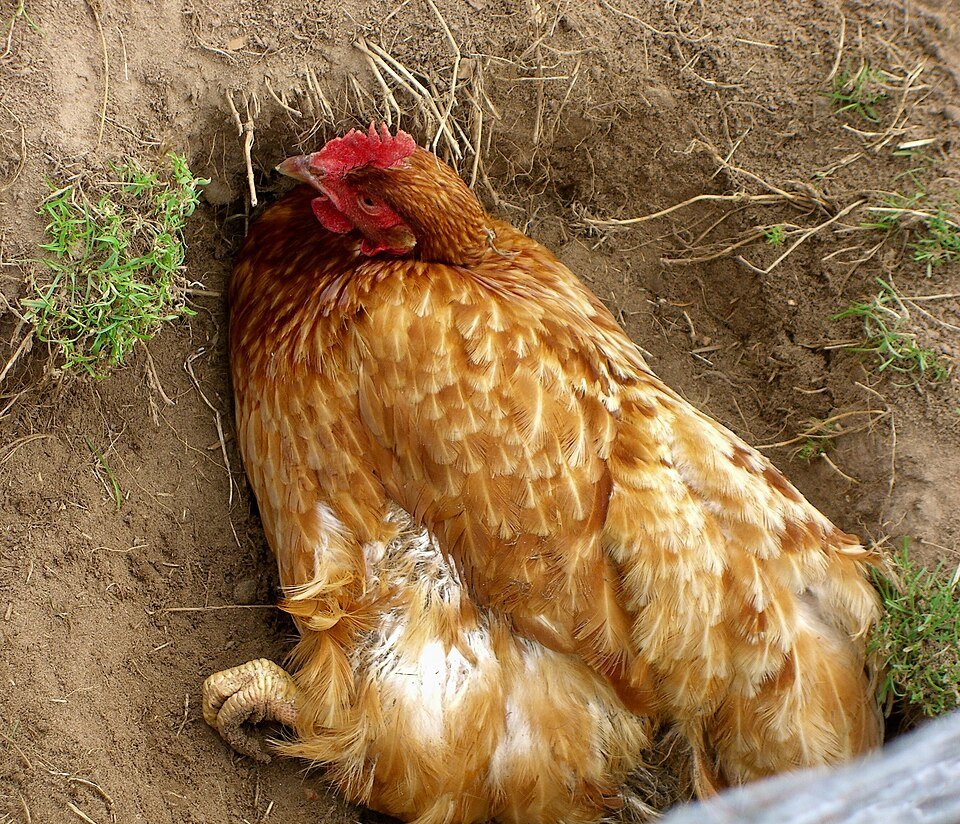
Choose a chicken dust-bath container by its usable floor, entry height and protected location, not by gallons alone. The Little Giant Chicken Dust Bath Pan is the purpose-built option here; the measured Little Giant P3 plastic and HP3 rubber pans are clearer choices when outside size decides the purchase. The two Fortex pans are conditional alternatives because their assembled dimensions need confirmation. A container is not a treatment for mites, lice or illness.
We may earn a commission when you buy through links on this page.
Our picks at a glance
Start with the features that fit your setup.
Purpose-built dust-bath pan
Little Giant Chicken Dust Bath Pan

The poultry-specific option; drainage still needs a dry, protected location.
- Nominal volume
- 10 quarts
- Verified outside size
- Overall dimensions not verified
Measured three-gallon rubber pan
Little Giant HP-3 Rubber Feed Pan

Rubber feed-pan option with known outside size; the maker resolves an Amazon material-field conflict.
- Nominal volume
- 3 US gallons
- Verified outside size
- 17.5 in diameter × 4.5 in high
Also in this guide
- Little Giant Three-Gallon Plastic Utility PanMeasured plastic utility pan
- Fortex Three-Gallon Rubber Feeder PanThree-gallon Fortex format
- Fortex Eight-Quart Rubber Feeder PanSmaller nominal-volume option
Chicken dust-bath pans compared
| Product | Nominal volume | Verified outside size | Material | Design |
|---|---|---|---|---|
| Little Giant Chicken Dust Bath Pan | 10 quarts | Overall dimensions not verified | DuraFlex plastic | Shallow sides; drainage holes |
| Little Giant Three-Gallon Plastic Utility Pan | 3 US gallons | 17.25 in diameter × 4.5 in high | DuraFlex plastic | Repurposed utility/feed pan |
| Little Giant HP-3 Rubber Feed Pan | 3 US gallons | 17.5 in diameter × 4.5 in high | Rubber, per maker | Repurposed feed pan |
| Fortex Three-Gallon Rubber Feeder Pan | 3 US gallons | Assembled dimensions unresolved | Rubber | CR-350 family feed pan |
| Fortex Eight-Quart Rubber Feeder Pan | 8 quarts / 2 US gallons | Assembled dimensions unresolved | Rubber | CR-80 family utility pan |
Five dust-bath container options
01 / Purpose-built dust-bath pan
Little Giant Chicken Dust Bath Pan
Best for: A sheltered bath location where a purpose-built pan and drainage holes suit the layout.
- Nominal volume
- 10 quarts
- Verified outside size
- Overall dimensions not verified
Why consider it
- Designed and labeled specifically as a chicken dust-bath pan.
- Built-in drainage holes and shallow sides are described by the maker.
Keep in mind
- Numerical outside dimensions were not verified.
- Drainage does not keep fill dry during rain or spills.
Read the full analysis of Little Giant Chicken Dust Bath Pan
The CBATHP10 is the one purpose-built chicken dust-bath pan in this selection. Miller describes a 10-quart DuraFlex plastic pan with shallow sides and built-in drainage holes. Those are useful design differences from a general feeding pan. Choose it for the container format, rather than for an unsupported promise that buying a pan will eliminate parasites or make a whole coop sanitary.
Ten quarts is a volume specification, equivalent to 2.5 US gallons. It does not tell you the usable bathing floor or how many birds can turn, scratch and settle at once. We did not verify a numerical outside diameter and height for this exact model, so request those measurements if your covered spot has a tight fit. A product photograph is not a scale drawing.
Drainage holes can let water leave the pan, but they cannot keep rain or waterer spills from wetting the fill. Settle the location first. This is the most direct option if you specifically want a poultry-labeled container with those features; pass if the purchase requires a verified footprint the seller cannot supply.
Key specs: CBATHP10; 10 qt nominal capacity; DuraFlex plastic; shallow sides; built-in drainage holes. Outside size not verified.

02 / Measured plastic utility pan
Little Giant Three-Gallon Plastic Utility Pan
Best for: A covered location where the maker’s measured footprint and rim height suit the birds.
- Nominal volume
- 3 US gallons
- Verified outside size
- 17.25 in diameter × 4.5 in high
Why consider it
- Maker supplies outside diameter and height for layout planning.
- The selected green P3 format can be identified against its dimensions.
Keep in mind
- Utility use is being repurposed; it is not the purpose-built dust-bath model.
- Outside diameter is not a measured usable floor or flock capacity.
Read the full analysis of Little Giant Three-Gallon Plastic Utility Pan
The green P3 utility pan has a published 17.25-inch outside diameter, 4.5-inch overall height and three-gallon capacity. Match the selected P3GREEN model and these measurements rather than assuming every Little Giant plastic pan is the same size.
This is a plastic utility or feeding pan that we are considering as a container, not a manufacturer-certified poultry dust-bath system. The measurable outside size is its main advantage over the dust-bath pan’s unresolved footprint. It lets you mark out the location and consider whether the rim is practical for your birds. Outside diameter still overstates the flat usable floor inside a shaped pan.
Buy a clean new pan dedicated to the flock, then assess the actual interior and approach. There is no evidence here that this utility pan includes prepared bathing material or the drainage design of the CBATHP10.
Key specs: P3GREEN; 3 US gal; 17.25 in outside diameter × 4.5 in high; DuraFlex plastic.
03 / Measured three-gallon rubber pan
Little Giant HP-3 Rubber Feed Pan
Best for: A sheltered container plan that calls for a rubber pan with documented outside dimensions.
- Nominal volume
- 3 US gallons
- Verified outside size
- 17.5 in diameter × 4.5 in high
Why consider it
- Outside diameter, height and capacity are published by the maker.
- Rubber construction can be distinguished from the similarly sized plastic P3.
Keep in mind
- Selected listing has an inconsistent structured material field.
- Feed-pan specifications do not establish poultry bathing capacity or performance.
Read the full analysis of Little Giant HP-3 Rubber Feed Pan
Miller’s HP3 feed-pan specifications identify a rubber pan with a 17.5-inch diameter, 4.5-inch height and three-gallon capacity. That gives it almost the same outside allocation as the plastic P3 above. The small difference in diameter is less important than the change in construction and the actual usable interior. Neither figure establishes that a particular hen has enough room to bathe.
The selected Amazon offer’s title calls it an HP-3 rubber pan, but one structured material field says plastic. We follow the maker’s rubber specification and record the conflict. If the delivered item or current seller description does not match the intended HP3 rubber pan, resolve that before use rather than treating the inconsistent field as a second verified version.
Like the other feed pans here, it is a conditional container choice for a dry covered bathing area. We did not test flexibility, tipping resistance, service life or cold-weather performance. Consider it when you want this documented rubber-pan format, and inspect the rim, base and available floor after delivery. It does not turn a wet exposed corner into a suitable dust-bathing place.
Key specs: HP3/HP-3; 3 US gal; 17.5 in diameter × 4.5 in high; rubber per Miller Manufacturing.

04 / Three-gallon Fortex format
Fortex Three-Gallon Rubber Feeder Pan
Best for: A buyer willing to confirm assembled size before using this general-purpose rubber pan for a bath.
- Nominal volume
- 3 US gallons
- Verified outside size
- Assembled dimensions unresolved
Why consider it
- Maker documents a three-gallon low rubber feeder-pan family.
- Offers a second manufacturer’s general-pan format.
Keep in mind
- Exact assembled dimensions remain unresolved in the consulted sources.
- No dedicated dust-bath features or flock capacity were verified.
Read the full analysis of Fortex Three-Gallon Rubber Feeder Pan
Fortex lists the CR-350 as a wide, low, three-gallon rubber feeder pan. The selected Amazon three-gallon Fortex offer is the corresponding general feeder-pan format. Its appeal in this comparison is a different maker’s rubber option, not a special dust-bath treatment. It needs a dedicated clean use and a suitable dry location just like the other repurposed containers.
The Amazon size fields mix implausible inch dimensions, and the Fortex catalog labels its table as package dimensions for a bundled quantity. We therefore do not publish a supposedly precise assembled diameter or height. Converting the listing numbers as though they were certainly centimeters would create a specification the consulted sources did not establish.
Ask the seller for the exact supplied model and assembled inside and outside measurements if fit or entry height matters. Until those answers are available, the measured Little Giant pans are easier to plan around. This is a conditional alternative for someone who already wants the Fortex three-gallon format; it is not a size-verified upgrade over the HP3.
Key specs: Fortex CR-350 family; 3 US gal; rubber feeder pan. Assembled diameter and height require confirmation.

05 / Smaller nominal-volume option
Fortex Eight-Quart Rubber Feeder Pan
Best for: A compact-container shortlist where the buyer can obtain actual assembled measurements first.
- Nominal volume
- 8 quarts / 2 US gallons
- Verified outside size
- Assembled dimensions unresolved
Why consider it
- Eight-quart nominal volume is distinguished from the three-gallon offers.
- Maker documents an intermediate rubber utility-pan family.
Keep in mind
- No reliable assembled outside or interior measurements were established.
- Smaller volume alone cannot establish an appropriate bathing area.
Read the full analysis of Fortex Eight-Quart Rubber Feeder Pan
The eight-quart Fortex offer is a lower-volume choice than the three-gallon pans. Fortex describes the CR-80 family as an eight-quart utility tub between its smaller CR-40 and larger CR-350 formats. Eight US quarts equals two US gallons. That is a useful volume distinction, but it does not establish a proportional reduction in outside width or a suitable bathing floor.
Its selected listing gives size numbers with units that do not form a credible small-pan measurement. The maker’s catalog table again describes a package quantity. We leave assembled dimensions unresolved instead of converting suspicious numbers and presenting the result as a measured pan. In a genuinely tight enclosure, that missing information is a reason to ask before buying.
This is not our default pick for a large adult hen or a shared bath: we lack the interior floor measurement needed to make that judgment. Consider it only when the exact delivered size, rim and approach have been confirmed for the intended birds. Choose a documented larger floor when that is what the birds need, rather than assuming the least nominal volume will be the tidiest fit.
Key specs: Fortex CR-80 family; 8 US qt = 2 US gal; rubber utility/feed pan. Assembled size requires confirmation.
How we chose
We screened 48 catalog results for chicken dust baths, then checked additional rubber-feed-pan offers and maker catalogs. The comparison retains five identifiable pan formats from two manufacturers: one poultry dust-bath pan and four general-purpose pans considered for a dedicated bathing area. This is a container comparison, not a ranking of dusting powders, pesticide products or treatment recipes. We have not tested the pans with chickens.
The useful distinctions were purpose-built features, material, nominal volume, reliable outside dimensions and unresolved fit questions. We favored specifications that could actually guide a purchase. The Fortex catalog’s package tables describe bundled quantities; the Amazon offers contain conflicting unit fields. Those numbers cannot responsibly become precise assembled-pan measurements. The limitation appears beside the recommendation rather than being hidden after the buying advice.
We excluded bottomless fabric planting rings as default portable baths because they do not provide the same removable contained-floor format. We also excluded scented, chemical or pest-treatment mixtures from this comparison. A product sold with parasite-control language requires a separate assessment of its exact ingredients, label and appropriate use; a shopping article about pans does not establish that assessment.
How to choose a chicken dust-bath pan
Start with the site, then choose a container
Poultry Extension’s description of normal chicken behavior identifies dust bathing as a normal activity. The useful purchase question is whether a container helps make an appropriate place available. A pan alone cannot supply a dry surface, enough room to move or a protected setting.
Identify a sheltered area before comparing capacities. Check it after rain and after normal chores, including refilling the waterer. An overhang may shelter the pan from overhead rain but still allow roof runoff or splashes to reach it. The pan should also sit where its rim does not become an obstacle in the route between the coop, feeder and water.
Distinguish outside size, inside floor and volume
The P3’s 17.25-inch diameter and HP3’s 17.5-inch diameter are outside dimensions useful for planning where the object fits. They are not measurements of the flat bathing floor. A shaped wall, rounded base or sloping side can reduce usable space inside a pan. Ask for the interior dimension if it determines whether the intended bird can turn and settle comfortably.
Gallons describe volume. A tall narrow bucket and a broad shallow pan can hold the same amount while offering very different floor areas and entry heights. The purpose-built pan’s 10 quarts converts to 2.5 US gallons, but that conversion does not prove that its bathing floor is larger or smaller than either three-gallon utility pan. We did not verify numerical outside dimensions for it.
For a hypothetical layout with a 20-inch-wide sheltered spot, a 17.5-inch outside pan leaves only 2.5 inches of total side clearance before allowing for any nearby obstacle. That calculation says the object may fit; it does not say a hen can approach from the side, step over the rim or bathe without contact with a wall. Make a paper outline and consider the bird’s route as well as the object.
Check the entry with the actual birds in mind
The two measured utility pans are both 4.5 inches high overall. That is a purchase dimension, not a universal accessibility standard. The maker’s “shallow sides” description for the poultry pan also does not establish that every bird will enter it. Assess the rim, stable placement and access for your flock, particularly if an individual has mobility difficulties.
Do not solve poor access simply by filling a pan to its top. The resulting depth, spill pattern and usable area would still need assessment, and a pile of fill is not a designed step. If an appropriate ground-level protected bathing area already works, buying a container may add little. Choose a pan because it solves a real layout or maintenance problem.
Choose plastic or rubber for a reason you can verify
The plastic P3 and rubber HP3 have closely comparable outside sizes. Their documented construction is the principal material distinction here. We did not measure their stiffness, tipping resistance, chew resistance, cleaning time or service life, so those are not grounds for a performance ranking. Likewise, a maker’s broad durability wording is not an independent test result for the delivered pan.
The HP3 illustrates why exact model checking matters: its maker identifies rubber, while the selected offer contains a conflicting plastic material field. Confirm the actual model if the current listing changes. For either Fortex option, request assembled measurements rather than treating a bundle’s package dimensions as a single pan’s size.
Set up and maintain the bathing place
Use a clean pan reserved for the flock
These general utility products can be marketed for farm, workshop or other uses. Our conditional recommendation concerns a new clean pan dedicated to poultry. An old container that held oil, chemicals or an unknown substance is not equivalent merely because its brand and dimensions match the shopping list. Keep the purpose of the individual pan clear.
Inspect the delivered pan for damage and confirm the actual floor and rim before putting it into the enclosure. Position it on a stable suitable surface and keep the approach clear. This is an inspection of the item you receive, not a claim that our team verified the load, stability or finish of any selected model.
Keep water out rather than relying on drain holes
The purpose-built Little Giant pan has drainage holes. That feature distinguishes it from a general pan, but it does not protect loose material from repeated wetting. Cover, runoff control and separation from spills still decide whether the location works. Drainage also needs somewhere appropriate to discharge; a blocked or saturated surface beneath the pan can defeat the intention.
Recheck after weather and changes in the run. A bath moved beside a new waterer may develop a spill problem despite remaining under the same roof. A pan that was easy to approach can become crowded when another accessory occupies the space beside it. Treat placement as part of routine husbandry rather than a decision finished at checkout.
Keep the pan decision separate from a fill recipe
We are not prescribing a universal mixture of ash, diatomaceous earth, powders or pesticide ingredients. The material selected for a bathing place is a separate husbandry decision. Do not infer an ingredient’s suitability from its appearance in a promotional container photograph or from an unrelated bag of bedding sold on the same page.
Normal dust bathing does not diagnose or rule out a parasite problem. If you suspect an infestation or illness, seek appropriate veterinary guidance and follow the exact applicable product instructions where treatment is advised. A pan comparison cannot establish treatment, a safe dose or a medical outcome.
FAQ
Is a special chicken dust-bath pan necessary?
Not always. A suitable protected ground-level bathing area may already answer the flock’s needs. A dedicated pan can help organize a location or make the container removable. Buy the purpose-built option for its documented design, not because a special pan is proven necessary for every flock.
Can I repurpose a rubber feed pan for a dust bath?
A new clean feed pan can be considered as a container when its usable floor, rim and placement suit the birds. That is our conditional use recommendation, not a manufacturer certification of dust-bath capacity. Do not reuse a pan that held chemicals or an unknown substance.
How many chickens fit in a three-gallon dust bath?
Gallons do not establish bathing capacity. The usable floor, the size and movement of the birds, access and the actual arrangement matter. We did not assign a flock count to any selected pan. Compare interior space and observe access rather than accepting a count inferred from volume.
Do drainage holes make an outdoor bath rainproof?
No. Holes can provide an exit for water, but rain and spills can still wet the material. Choose a protected location and inspect the pan after weather and routine chores. Do not assume that a drain feature replaces cover or solves water collecting beneath the pan.
Which pan is the easiest to size before ordering?
The Little Giant P3 and HP3 have verified outside diameter and height in the consulted maker specifications. Those dimensions help with an outside footprint check, though they do not establish the flat interior floor. For the other selected pans, obtain the missing assembled dimensions when fit is critical.
Before you buy
Confirm the sheltered location, usable interior, entry and care plan before comparing cosmetic details. Choose the poultry pan for its documented shallow-sided drainage design, or a measured utility pan when its geometry answers the task. Leave a purchase conditional when the supplied model or assembled size remains unresolved.
Cover photograph by Dave Crosby, CC BY-SA 2.0, via Wikimedia Commons. This contextual photograph does not depict a selected product or certify the photographed installation.
