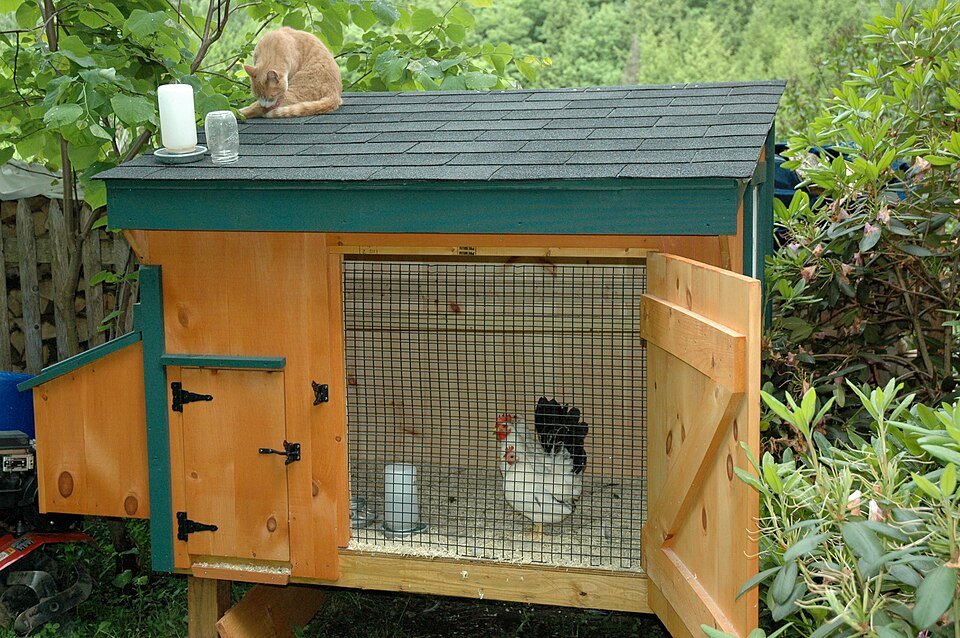
For most dry, ventilated backyard coops, start with clean pine shavings such as Small Pet Select. Choose bulk hemp if you already like how hemp fits your routine and can keep the extra material dry. For chopped straw, look for a short cut and plan to check for mats. The best chicken coop bedding is the material you can keep dry, replenish and remove through the door you actually use.
We may earn a commission when you buy through links on this page.
Our picks at a glance
Start with the features that fit your setup.
Starting point for most dry coops
Small Pet Select Pine Shavings

Conventional pine shavings labeled 141 L usable. Ask the seller to reconcile that label with the separate cubic-foot figure.
- Material
- Pine shavings
- Package
- 141 L usable on label
Bulk hemp
RentACoop Premium Hemp Bedding

The 300 L hemp bale makes sense when you can use the volume across one or more coops and keep the remainder dry.
- Material
- Loose hemp
- Package
- 300 L (30 lb)
Also in this guide
- Premium Poultry Cozy Coop HempSmall bag for trying hemp
- Small Pet Select Chicken Hemp HurdMid-size hemp
- HealthiStraw FarmStraw FineFine-cut wheat straw
- Small Pet Select Golden Wheat StrawSmaller straw pack, check the cut
Chicken coop bedding compared
| Product | Material | Linked package | Why pick it |
|---|---|---|---|
| Small Pet Select Pine Shavings | Pine shavings | 141 L usable on label | Starting point for most dry coops |
| RentACoop Premium Hemp Bedding | Loose hemp | 300 L (30 lb) | Bulk hemp |
| Premium Poultry Cozy Coop Hemp | Fine hemp | 10 lb | Small bag for trying hemp |
| Small Pet Select Chicken Hemp Hurd | Hemp hurd | 18 lb | Mid-size hemp |
| HealthiStraw FarmStraw Fine | Wheat straw | 3 cu ft compressed | Fine-cut wheat straw |
| Small Pet Select Golden Wheat Straw | Wheat straw | 8 lb | Smaller straw pack, check the cut |
Six chicken coop bedding options
01 / Starting point for most dry coops
Small Pet Select Pine Shavings
Best for: A dry, ventilated adult-hen coop where you want a conventional shavings routine.
- Material
- Pine shavings
- Package
- 141 L usable on label
Why consider it
- Manufacturer identifies pine wood shavings as the contents
- Package gives a usable-volume figure to check against the seller’s specifications
- Softwood shavings are a conventional starting material in small-flock guidance
Keep in mind
- Mixed unit labels need clarification before a coverage estimate
- No documented head-to-head dust comparison
- Opened shavings should be stored dry
Read the full analysis of Small Pet Select Pine Shavings
The manufacturer identifies this as pine wood shavings. The package pictured in the listing says 141 liters usable, and the listing title identifies the same size. Small Pet Select’s specification page also mentions two cubic feet without explaining the relationship between the two figures. Ask the seller to reconcile the package and page before buying several bags based on either figure.
If you have not tried loose bedding before, pine shavings make a sensible baseline because the small-flock guidance already covers the material. Decide where you will scoop and where you will store a refill. Keep supplier comparisons on the same loose-volume basis. A larger printed number is not automatically more material for the floor.
If the seller cannot clarify the difference, start with a quantity you can open and measure before ordering more. Note how much of the package you use on the first fill. That gives you a useful reference for the same floor and depth on your next change.
Key specs: Pine shavings. 141 L usable on label.
02 / Bulk hemp
RentACoop Premium Hemp Bedding
Best for: A keeper who already wants hemp, has a dry storage area and can handle a 30-pound package.
- Material
- Loose hemp
- Package
- 300 L (30 lb)
Why consider it
- Manufacturer identifies both expanded volume and package weight
- Bulk format can cover more than one small floor fill
- Loose hemp is a distinct material choice from pine or straw
Keep in mind
- 30-pound package takes more effort to move
- Opened bulk bedding needs dry storage
- The label gives no reliable prediction of your refill interval
Read the full analysis of RentACoop Premium Hemp Bedding
The current manufacturer and Amazon titles both identify this variant as 300 liters and 30 pounds. RentACoop lists about 10.6 cubic feet of expanded material. Use this figure to plan how much to buy. The number of cleanouts depends on your setup and how often you replace damp bedding.
A keeper who uses four cubic feet at a time could budget for two complete fills from 10.6 cubic feet, leaving about 2.6 cubic feet before losses and top-ups. If two neighbors split a bale, divide the usable volume before either person starts filling a coop. Splitting it by weight only works for the same material and does not tell you how another brand will fill the same space.
This is a larger commitment than the other hemp packages here. Measure the storage spot and decide how you will move and open the bale. If you only need to learn whether hemp suits your cleaning routine, the smaller Cozy Coop bag is a more manageable first trial.
Key specs: Loose hemp. 300 L (30 lb).

03 / Small bag for trying hemp
Premium Poultry Cozy Coop Hemp
Best for: Trying loose hemp with a limited storage footprint or changing a small, defined section first.
- Material
- Fine hemp
- Package
- 10 lb
Why consider it
- Ten-pound bag weighs less than the other hemp options here
- Limits the amount to store while trying hemp
- Fine texture gives you a specific feature to assess with your scoop
Keep in mind
- Weight alone does not tell you floor coverage
- Small bag may require several packages for a full change
- Sifting performance depends on your scoop and what you need to remove
Read the full analysis of Premium Poultry Cozy Coop Hemp
The linked item and package shown are the ten-pound version. Premium Poultry describes Cozy Coop as a fine hemp intended for sifting. If you plan to reuse your current scoop, try it on a small area first. The fit depends on your scoop openings and what you need to remove.
A small bag lets you evaluate how the material spreads and what it is like to remove from the same area you normally clean. Use a defined dry area and your usual inspection routine. Keep enough of your regular bedding on hand to finish a full change if one small bag does not cover the floor.
The weight does not establish loose coverage at your intended depth. Get the expanded volume for the exact bag if you want to fill a larger coop in one go. Choose this format for a manageable trial, with your normal plan for checking and removing wet material.
Key specs: Fine hemp. 10 lb.

04 / Mid-size hemp
Small Pet Select Chicken Hemp Hurd
Best for: A hemp buyer who wants a middle package weight and values a clearly stated material.
- Material
- Hemp hurd
- Package
- 18 lb
Why consider it
- Manufacturer states 100 percent hemp hurd
- 18-pound format sits between the other hemp bag weights
- Manufacturer publishes package dimensions for storage planning
Keep in mind
- Outside package size is not loose volume
- Hard to compare coverage by weight alone
- Requires dry storage after opening
Read the full analysis of Small Pet Select Chicken Hemp Hurd
Small Pet Select lists 100 percent hemp hurd as the material and 18 pounds as the weight. The manufacturer lists the package size separately. Those outside dimensions are useful for checking shelf clearance, but they do not tell you how much loose bedding you can spread.
The intermediate package weight is useful after you know how much material your routine takes. For example, if a small hemp bag proved awkward because you needed to open another package every time you changed a section, an 18-pound bag is a reasonable format to price alongside a larger bale. Base the choice on usable volume and the amount you can store, not the box dimensions.
There is no side-by-side absorption test in this guide for the three brands. Choose this one for the material description and package format. Check the litter under the drinker and roost during use just as you would with the other materials.
Key specs: Hemp hurd. 18 lb.

05 / Fine-cut wheat straw
HealthiStraw FarmStraw Fine
Best for: Keepers who specifically want chopped straw for a dry coop and can inspect its surface and underside for mats.
- Material
- Wheat straw
- Package
- 3 cu ft compressed
Why consider it
- Fine is the manufacturer’s shorter wheat-straw cut
- Packed and estimated loose volumes are stated separately
- Offers a different material from pine or hemp
Keep in mind
- Damp straw can mat and take more work to remove
- The Fine and Coarse listings are easy to confuse
- Expanded volume is the maker’s estimate and should be verified in use
Read the full analysis of HealthiStraw FarmStraw Fine
HealthiStraw offers Fine and Coarse versions. This link is for Fine, the shorter cut. The manufacturer separates three cubic feet of compressed bag volume from an estimate of 10 to 12 cubic feet after opening. Use the loose estimate for a first coverage calculation.
Chopped straw can mat and cake. Poultry Extension recommends a cut of one inch or less if using straw as litter, so check the cut on the exact bag and avoid substituting a long-stem bale or the Coarse listing on name alone. Inspect below the surface when a section looks flattened. A neat-looking top layer can hide a wet mat underneath.
Pick this option for the format rather than a promise of better winter performance. If you already struggle to lift old bedding out through a small door, separate the mat into manageable pieces or try pine before buying straw in bulk. The climate, ventilation and source of moisture matter for both materials.
Key specs: Wheat straw. 3 cu ft compressed.

06 / Smaller straw pack, check the cut
Small Pet Select Golden Wheat Straw
Best for: A small trial of straw if the seller confirms a short cut on the exact bag.
- Material
- Wheat straw
- Package
- 8 lb
Why consider it
- Manufacturer identifies the material as 100 percent wheat straw
- Eight-pound bag is a smaller commitment than the 25-pound listing
- Manufacturer provides a simple preparation instruction
Keep in mind
- Cut length needs confirmation before choosing it as floor bedding
- Package is stated by weight rather than verified loose volume
- Straw must be checked for matting during use
Read the full analysis of Small Pet Select Golden Wheat Straw
The manufacturer lists 100 percent wheat straw and an eight-pound pack, matching the material and weight in the linked listing. This is a smaller package by weight than FarmStraw Fine. The specifications do not give a cut length. Ask before buying it for the floor, especially if you are choosing straw to avoid dealing with long mats.
The maker directs owners to fluff the material before use. That gives you a straightforward way to inspect it before committing to a larger order. If the seller cannot confirm a cut around one inch or less, use a clearly identified short-cut product or stay with shavings. An eight-pound bag still does not tell you how much area the contents cover once spread.
Pick the small pack when you need only a limited amount and can verify the cut. FarmStraw Fine is the clearer starting point if knowing which cut you are buying matters more than carrying a smaller package.
Key specs: Wheat straw. 8 lb.
How we chose
We checked nine Amazon listings and selected six. FarmStraw Fine replaced the Coarse candidate. We passed on a pine listing without a confirmed direct purchase option and a hemp listing whose package photo showed a different weight. We compared material, packaging and intended use against small-flock guidance on litter. This is a comparison of listings and specifications. We did not conduct a trial or measure absorbency, dust, odor control or service life.
The shortlist covers a conventional pine baseline, three hemp package sizes and two straw formats. The hemp picks address different handling and trial needs. The smaller straw bag also depends on verifying cut length. We excluded nesting pads and scented coop refreshers because they are not alternatives for covering the whole floor.
How to choose chicken coop bedding
Choose for the part of the coop you need to cover
Floor bedding, a nest-box liner and a dust bath are three different jobs. Floor bedding has to cover the accessible indoor floor, handle regular use and be removable through the keeper door. A pad that fits inside a nest may be useful for eggs but does nothing for the floor under the roost. Set the floor plan first and price nest material separately.
The Poultry Extension guide to small-flock litter treats softwood shavings such as pine as a standard option and favors shorter straw if straw is used. UConn Extension’s small-flock guide also emphasizes keeping the material clean and dry. Hemp is an alternative to consider for your handling routine. The labels alone do not establish a dust or moisture advantage between these exact packages.
Measure the floor and compare loose volume
Multiply the interior length by the interior width, then deduct permanent areas you will not bed. A 4-by-6-foot floor is 24 square feet. If a fixed cabinet takes up four of those square feet, you actually need to cover 20. Multiply the area to cover by the depth in feet. Divide a depth in inches by 12 first.
If you are sizing a coop as well, the coop space calculator can help you keep the indoor and run measurements separate. Use only the area of the indoor floor you will bed for the volume calculation below.
If a verified package yields four usable cubic feet, one package gives a 24-square-foot floor one nominal fill at that example depth. If you want an extra half-fill handy for future spot changes, plan for six usable cubic feet: four for the floor and two in reserve. Take that volume to the supplier. Add the number of verified bags needed, rounding up, and check where you will store what is left.
You can convert liters to cubic feet using about 28.3 liters per cubic foot. You cannot convert pounds to liters without knowing the density and how that material is packed. Ask for the amount you can actually spread after opening. Compare delivered cost per usable cubic foot when possible, using the same definition of usable volume across products.
Make the first change easy to inspect
Start on a dry floor and open only what you will use. Pay attention to the space directly beneath the roost, the path the flock wears into the floor and the area by the waterer. Those locations tell you whether a surface is easy to scoop and whether damp material is recurring in one place. Keep spare bedding dry and separate from spent material.
If a small patch is wet, remove the wet material and check where the water came from before replacing it. If the same patch returns, inspect the drinker, roof and nearby openings. Widespread dampness needs a broader check of water entry and ventilation. A bale of different bedding does not change those conditions.
When trying an unfamiliar material, make a simple note on the first fill: how much you used, where the first damp patch appeared and how much you removed on the first change. This is more useful for your next order than a manufacturer’s general claim about how long a bag lasts. Do not treat this checklist as a brooder plan or disease-control protocol.
What we would pass on
Skip the coarse-cut FarmStraw listing if the point of your purchase is a shorter cut for a coop floor. You would be buying a different product despite similar packaging. We also would not use a bag of fragrant herbs, a deodorizer or nesting pads as the primary floor material. A recurring wet spot is a reason to inspect the coop before you buy more bedding.
FAQ
What bedding is best for an adult chicken coop?
Clean pine shavings are a practical starting point for a dry, ventilated coop. Try hemp if you have a package size that fits your storage and budget. If you choose straw, use a shorter cut and check it for mats.
Is hemp better than pine shavings?
That depends on your routine and the cost of the amount you can actually spread. The packages here differ in size and material. We did not verify an independent performance advantage for one over the other.
Can I use the coarse and fine straw bags interchangeably?
The two packages differ in cut length. Shorter straw is preferred in the small-flock litter guidance because longer pieces can mat. Check the exact label rather than relying on the brand name.
How much chicken coop bedding do I need?
Multiply the floor area you will bed by the intended depth in feet. A 24-square-foot area at two inches takes four cubic feet before any reserve. Confirm the loose volume per package before you divide.
How often should I replace chicken coop bedding?
Inspect the litter regularly and remove wet or soiled patches as needed. A whole-floor change depends on the conditions in the coop and your cleaning plan. Fix recurring water entry or drinker leaks instead of covering damp litter repeatedly.
What to buy first
Start with Small Pet Select pine if you want the conventional shavings choice and can confirm the usable volume for your floor. Choose the ten-pound Cozy Coop bag to try hemp before you buy in bulk. For a larger hemp order, price the RentACoop bale after you know how much you can spread and store.
Cover photograph: Putneypics, CC BY 2.0, via Wikimedia Commons.
