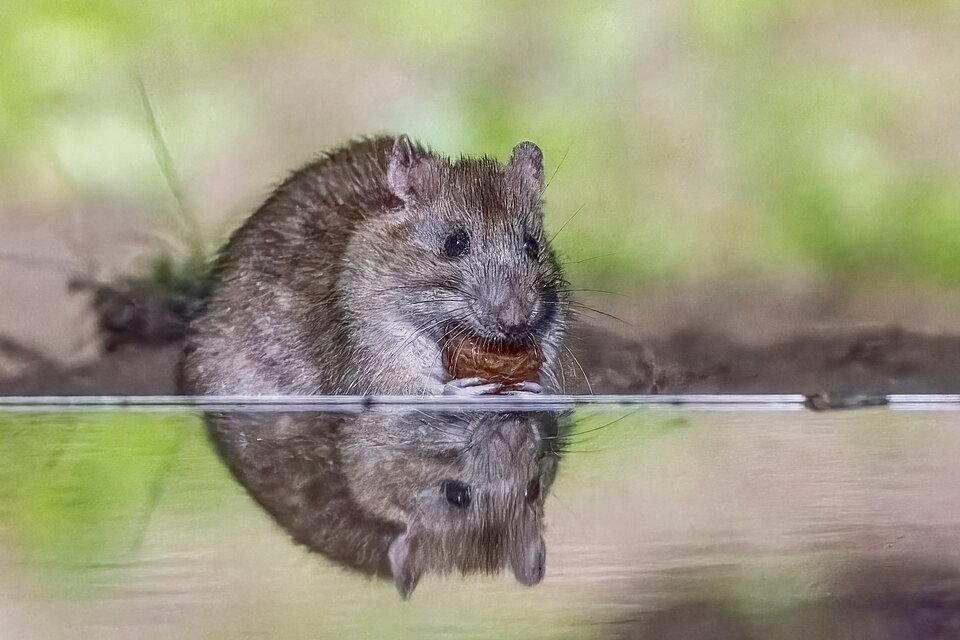
To address rats around a chicken coop, remove accessible spilled feed, secure stored food, reduce hiding places and repair entry routes. Use a protected, appropriate control plan for rodents already present, and get professional help for persistent activity. Poison scattered in a coop is not a safe shortcut when birds, pets and people can reach it.
We may earn a commission when you buy through links on this page.
Address the whole site
- FOODSecure storage
- ENTRYInspect + repair
- CONTROLProtect the flock
Work on the whole area, not just the spot where you last saw a rat. A secure feed bin does not close a gap under a door, and a repaired wall does not remove spilled grain nearby. Make a small map of the coop, feed storage and surrounding cover so you can keep track of the separate tasks.
Identify and record the evidence
Look for damage and activity without disturbing suspected contamination. Record the location of gnawing, gaps, burrows and sightings. A photograph taken from a safe distance may help an extension educator or pest professional assess what you are seeing. Do not handle a rodent or droppings to identify it.
Utah State University Extension describes food, water and cover as opportunities for rodents and points to sanitation, exclusion and control as connected parts of the response. Its guidance also notes that activity may be hard to spot. Not seeing a rat during the daytime does not establish that the problem is over.
| Area | What to record | Next decision |
|---|---|---|
| Feed and storage | Spills, damaged containers, accessible food | Correct the food-access problem |
| Coop boundary | Gaps, gnawing, damaged screens | Specify and repair the barrier |
| Surrounding cover | Hidden or cluttered inspection areas | Improve access and storage |
| Ongoing activity | Location and date of new evidence | Review the control plan with a professional |
Mark the date beside each repair or management change. This turns an impression such as “there seem to be fewer rats” into a record of where activity was noticed and what changed. The record does not prove eradication, but it is more useful than repeatedly buying a different deterrent without knowing what you are trying to solve.
Secure the food supply without compromising bird care
Check the storage container, its lid and the surrounding area. Look for spilled feed along the path from storage to the feeder, including material underneath equipment. Consider other accessible food nearby, such as pet food or wild-bird seed. A coop-specific purchase will not address those separate sources.
Minnesota’s table-egg biosecurity guidance emphasizes sealing entrances, removing cover and preventing rodents from reaching feed. It also warns that rodent baits can harm poultry, other animals and people. The article includes commercial practices; this backyard guide does not reproduce its baiting program or chemical recommendations.
Do not leave birds without the food or clean water their care requires while trying to discourage rats. Review the feeding arrangement with local extension if access is difficult to manage. A feeder marketed as rodent-resistant still needs correct installation and inspection; a product name is not evidence that no other changes are necessary.
Inspect the enclosure from below to above
Start with the base and the places where materials join. Check the edges of doors and service openings, then the walls and protected vents. Inspect the route from the outside as well as the view through the main keeper door. A repair that is visible inside may leave access behind a panel.
Use the hardware-cloth guide to separate mesh opening from wire gauge and the details of attachment. Chicken wire should not be treated as equivalent to a rodent-exclusion barrier. Get a specification suited to the target animal rather than assuming any metal screen closes the problem.
When planning work around an occupied wall void or an active infestation, ask a pest professional how to sequence exclusion and control. Avoid blindly closing an opening without understanding what may be inside and how it will be addressed. Do not excavate around the coop without checking the site and any buried services.
Remove cover you do not need
Move unnecessary stored materials away from the inspection route and make the exterior easier to see. Check underneath stacked items before moving them; do not reach into a hidden space. Address the storage arrangement as part of the plan, so the same concealed area is not recreated the following week.
Keep the work focused on the coop and its immediate sources of food and shelter. An isolated cleanup can be temporary if neighboring storage or a damaged feed room remains accessible. If activity extends beyond the area you control, involve the relevant property owner or a qualified professional rather than treating the coop as a sealed island.
Keep control measures inaccessible to birds and pets
If traps are appropriate, use them according to the manufacturer’s instructions in a protected arrangement that prevents chickens, pets and children from reaching them. Obtain help with placement and follow-up if you cannot maintain that separation. Do not leave an exposed trap in a run where birds investigate objects at ground level.
This guide does not prescribe rodenticides, doses or homemade poisons. A bait station is not a reason to ignore label restrictions or possible harm to other animals. For a persistent infestation, ask a licensed pest professional for a plan that explicitly accounts for poultry, eggs, feed, pets and children at the site.
Clean contamination with the correct precautions
The CDC’s rodent-cleanup guidance says not to sweep or vacuum urine, droppings or nests. Use its wet-disinfection procedure and protective precautions for that material. Heavy infestations call for additional measures and professional advice. Keep birds out of the work area and follow product conditions before they can return.
Do not blend rodent cleanup into an ordinary bedding sweep. Identify the affected areas first, prepare the appropriate supplies and contact the local health department if the situation is unclear. Anyone who becomes ill after possible rodent exposure should contact a healthcare professional and explain the exposure.
Recheck the entire setup
After the initial work, revisit the same locations on your map. Look for new damage, renewed activity or a repair that has loosened. Maintain the feed-storage and housekeeping changes even when sightings stop. If signs persist, use the record to help a professional assess the next step instead of escalating to unprotected poison.
The coop essentials checklist helps you check that security changes still leave ventilation, water access and normal care intact. If replacement housing is needed, use the chicken coop buying guide to ask specific questions about the base, doors, mesh and maintenance access. No enclosure label replaces continued inspection.
Common questions
Do chickens automatically cause a rat problem?
The actionable issues are accessible food, water, cover and entry routes. Inspect those conditions rather than treating the presence of chickens as the entire explanation.
Can I scatter rat poison around the coop?
No. This guide does not recommend loose poison accessible to birds, pets or people. A persistent infestation needs a poultry-aware control plan.
Will a rodent-resistant feeder solve everything?
Do not assume so. Stored feed, spills, other food sources and entry routes still need attention, along with correct use of the feeder.
Can I sweep the coop after removing the rats?
Do not sweep or vacuum rodent droppings, urine or nests. Follow CDC contamination-specific cleanup precautions even after rodents are no longer seen.