The Snap Lock Large is our starting pick for keepers who want a plastic coop that snaps together without tools and hoses clean. OverEZ is the heavier wooden option, while Aivituvin and Petsfit offer compact units with attached runs. Before choosing any of them, ask for the usable interior and run measurements: the advertised bird count and outside dimensions are not enough to establish how many hens a coop can house.
That measurement gap runs through this guide. We distinguish manufacturer capacity claims from what the available dimensions can actually establish, and flag the missing measurements instead of assigning an unsupported flock size.
We may earn a commission when you buy through links on this page. It doesn’t change what we recommend.
Already have a coop in mind? Our coop size calculator checks the floor-space minimums for your flock.
Our picks at a glance
Start with the features that fit your setup.
Easy-care option
Snap Lock Large

A plastic house with a removable litter tray and tool-free assembly. Plan for a separate run and confirm the usable indoor area.
- Construction
- Double-wall plastic
- Outdoor run
- Buy separately
Compact option
Petsfit with Run

A narrow wooden unit with an attached run. Confirm the usable house and run areas before choosing a flock size.
- Construction
- Fir with PVC roof
- Outdoor run
- Attached
Also in this guide
- OverEZ Classic LargeHeavy wooden option
- Aivituvin Foldable CoopFolding frame with run
- GUTINNEEN Mobile CoopMobile coop
- VEVOR 6.5 ft Metal RunRun only
Chicken coops compared
| Coop | Material | Size (L × W × H) | Maker’s capacity | Capacity check* | Run included |
|---|---|---|---|---|---|
| Snap Lock Large | Double-wall plastic | 64 × 39 × 42 in | 4–6 large hens | Maker claim; usable floor unverified | No |
| OverEZ Classic Large | Wood | 74 × 60 × 72.5 in | Up to 15 | Usable interior dimensions needed | No |
| Aivituvin Foldable Coop | Fir + iron trim | 69.8 × 42 × 54.6 in | 4–6 in the current listing | House and run areas needed | Yes |
| Petsfit 2–4 | Fir, PVC roof | 80.5 × 30 × 41.5 in | 2–4 | House and run areas needed | Yes |
| GUTINNEEN Mobile | Fir, metal trays | 68.1 × 41.3 × 49 in | 8–10 | House and run areas needed | Yes |
| VEVOR 6.5 ft Run | Galvanized steel | 78.7 × 78.7 × 78.7 in | Run only | Up to 4 large hens or 5 layers if 43 sq ft is usable | It is the run |
*Capacity claims are not verified measurements. Penn State Extension lists separate minimums for the house and outdoor run. Calculate each limit using its usable floor area, round down and take the smaller result. Outside dimensions, nesting boxes and a combined area cannot establish both limits. For the VEVOR run, the estimate assumes its roughly 43 sq ft footprint is usable; placing a coop or equipment inside can reduce that area. Space is only one housing requirement.
The best chicken coops, reviewed
01 / Easy-care option
Snap Lock Large
Best for: keepers who want a plastic house that can be hosed clean, paired with a separate run. Confirm the usable interior before choosing a flock size.
- Construction
- Double-wall plastic
- Outdoor run
- Buy separately
Why consider it
- Plastic won’t rot or splinter like wood
- Tool-free assembly
- Removable litter tray for quick cleanup
- Four nesting spots and three long roosts included
Keep in mind
- No run included
- Usable indoor floor dimensions need confirmation
- The product name and stated bird range differ
Read the full analysis of Snap Lock Large
The Snap Lock uses double-wall plastic rather than wood. Hatching Time describes the panels as impact- and UV-resistant and says they snap together without tools. It lists four nesting spots and three 36-inch roosts. The combined 108 inches of roost bar does not establish floor-space capacity; check both before deciding how many hens to house.
Hatching Time lists it for four to six large chickens or six to twelve bantams, although its product name calls it an “8 Bird” coop. That is a seller capacity claim, not our measurement of its usable floor. The coop has adjustable vents, a pull-out litter tray and egg access through the roof. Confirm warranty coverage with the seller before ordering.
What it doesn’t have is a run. Plan on pairing it with a fenced or covered run, because four to six hens need 40 to 60 square feet of outdoor space. The VEVOR run below has a footprint of about 43 square feet; six large hens need more outdoor space under that guideline.
Key specs: 64 × 39 × 42 in, 65 lb, double-wall plastic, 4 nesting spots, three 36-in roosts, adjustable vents, made in the USA.

02 / Heavy wooden option
OverEZ Classic Large
Best for: a keeper who wants a heavy wooden coop and is prepared to check its usable interior, ventilation and roost layout before buying.
- Construction
- Wood
- Outdoor run
- Buy separately
Why consider it
- A people door for cleaning access
- Heavy, solid wood build made in the USA
- Lockable latches on every door, five nesting boxes
- Maker estimates assembly in under an hour
Keep in mind
- Advertised capacity cannot be verified from the overall dimensions
- A separate run is needed
- Roost spacing needs checking for your flock
- Heavy unit to position
Read the full analysis of OverEZ Classic Large
OverEZ coops are built in the USA by Amish-trained carpenters, ship with a floor, and go together with a screw gun; the company says in under an hour, using the supplied components. OverEZ lists five nesting boxes under a lockable lid, two roosts, two screened windows that open, a vent at the top of each gable end, a floor and siding treated with resin for moisture resistance, and a 20-by-43-inch people door for reaching in to clean, with lockable latches on the egg box, the people door and the chicken door. Retailers list it at about 600 pounds (OverEZ’s own shipping weight is about 670), so it’s the heaviest coop here.
The label says “up to 15 chickens.” Its 74-by-60-inch outside dimensions include the nesting box, so their roughly 31-square-foot footprint is not the usable indoor floor area. We cannot confirm either 15 birds or a smaller flock count from those dimensions alone. Obtain the usable interior measurements and check the separate run too. Confirm the current ventilation and roost layout before planning any modifications.
Key specs: 74 × 60 × 72.5 in including nesting box, about 600 lb, wood, resin-treated floor and siding, 5 nesting boxes, 2 roosts, 2 screened windows, 2 gable vents, lockable latches, made in the USA.

03 / Folding frame with run
Aivituvin Foldable Coop
Best for: keepers looking for a partly assembled house-and-run unit, subject to checking the separate usable areas.
- Construction
- Fir + iron trim
- Outdoor run
- Attached
Why consider it
- Folding, partly pre-built frame cuts assembly time
- Iron edging around the coop and nest box
- PVC covers over the nest-box joints
Keep in mind
- Separate usable house and run areas are unverified
- Combined area does not separate house and run space
- Verify the usable interior dimensions before purchase
Read the full analysis of Aivituvin Foldable Coop
The Aivituvin Foldable Coop is a fir coop and run in one unit. It arrives partly pre-assembled with a folding frame, so the brand puts setup at around 30 minutes, and it adds iron edging around the coop and nest box. There are two large nest boxes with PVC covers over the joints, three roosts with rounded edges, a pull-out tray and six doors and windows for reaching in.
Aivituvin lists 26 square feet of interior space but does not separate the enclosed house from the run in the data we have. That number is larger than the roughly 20-square-foot external footprint and may include multiple levels. Neither figure establishes a two-hen capacity. Ask for the usable floor area of each compartment.
Key specs: 69.8 × 42 × 54.6 in, 106 lb, fir with iron reinforcement, 26 sq ft total interior, 2 nest boxes, 3 roosts, pull-out tray.
04 / Compact option
Petsfit with Run
Best for: a keeper considering a narrow unit, after confirming that the enclosed house and run each provide enough usable space.
- Construction
- Fir with PVC roof
- Outdoor run
- Attached
Why consider it
- Narrow footprint for tight spaces
- Plastic interior panel
- Ground stakes included
- Three access doors make cleaning easy
Keep in mind
- Usable house and run dimensions need confirmation
- Only one roost bar inside the house
- Attached run dimensions need checking for your flock
Read the full analysis of Petsfit with Run
At 30 inches wide, the Petsfit is the narrowest unit in this comparison. Inside, it has a smooth plastic interior panel that the maker says wipes clean. You also get an 18-by-23-inch front door, a separate clean-out door at the bottom, a sliding clear window for light and air, a PVC roof, and six ground stakes meant to deter lifting.
The listing itself warns buyers to check the internal space to avoid overcrowding. The unit’s outside footprint is about 17 square feet, but that does not give the usable house and run areas separately. We cannot confirm the advertised two-to-four-bird count, or substitute a reliable smaller count, from those dimensions.
Key specs: 80.5 × 30 × 41.5 in, fir with PVC roof, 2 nest boxes, 2 roost bars (one inside, one in the run), 3 doors, 6 ground stakes.

05 / Mobile coop
GUTINNEEN Mobile Coop
Best for: keepers looking for a movable enclosure, with usable floor measurements and outdoor access checked for their flock.
- Construction
- Fir + metal trays
- Outdoor run
- Attached
Why consider it
- 8.1-inch wheels
- Metal pull-out trays
- Four nest boxes and four perches
Keep in mind
- The eight-to-ten-bird claim is not verified by separate floor measurements
- Nest-box count does not establish flock capacity
Read the full analysis of GUTINNEEN Mobile Coop
A chicken tractor is a coop you move, and the wheels decide whether you’ll actually move it. This one has 8.1-inch wheels. It has four nest boxes, four perches, two pull-out metal trays, corner brackets at more than two dozen joints.
The listing pairs an eight-to-ten-bird claim with 21.1 square feet, without the separate usable house and run areas needed for a capacity check. Do not treat that total as evidence that it houses a particular flock. Moving it or allowing free-ranging does not establish its enclosed sleeping capacity.
Key specs: 68.1 × 41.3 × 49 in, fir, 21.1 sq ft, 8.1-in wheels, 4 nest boxes, 4 perches, 2 metal trays.

06 / Run only
VEVOR 6.5 ft Metal Run
Best for: adding a covered, walk-in run to a coop that doesn’t have one, like the Snap Lock.
- Construction
- Galvanized steel
- Enclosed house
- Not included
Why consider it
- Walk-in height
- Galvanized steel frame with a peaked, waterproof cover
- About 43 sq ft of run in a 6.5-ft cube
Keep in mind
- Included hex mesh needs a separate predator-protection assessment
- Cover has no verified snow-load rating in our research
- Enclosed sleeping house not included
Read the full analysis of VEVOR 6.5 ft Metal Run
This isn’t a hen house. It’s a 6.5-foot cube of 1-inch galvanized steel tubing with mesh walls, a waterproof PE tarp and a peaked roof for rain drainage. Its roughly 43-square-foot footprint could meet the cited outdoor minimum for four large hens or five laying hens if all of that area is usable, and you can stand up inside it to fill feeders or catch a bird.
The included mesh is hexagonal wire. For predator protection, assess the mesh, doors and ground perimeter as a system; the cover does not make an enclosure predator-proof. Penn State Extension recommends stronger hardware cloth rather than relying on chicken wire. Follow the run manufacturer’s instructions for anchoring and removing snow accumulation.
Key specs: 78.7 × 78.7 × 78.7 in (6.56 ft), 44 lb, 1-in galvanized steel tube, hexagonal mesh, PE tarp cover, peaked roof.
What we’d skip
The skinny 80-inch “2–4 chicken” hutches. One model we researched is about 26 inches wide and has a short stated warranty. Those external dimensions do not establish its usable house and run areas, so we would not choose it on the advertised flock count alone.
Walk-in runs with plastic mesh. Some runs now ship with plastic netting instead of metal wire. At least one large walk-in run’s own listing states that its mesh “is not fully predator-proof.” For a run your hens use unattended, that’s a dealbreaker unless you re-wrap it in hardware cloth.
How we chose
We did not test these coops. We compared six options using their Amazon listings and available manufacturer specifications, focusing on construction, cleaning access, included runs and stated dimensions. Hatching Time, OverEZ, Petsfit and VEVOR supplied additional published details. We do not treat unverified owner anecdotes as evidence of performance.
We prioritized usable space, durability, cleaning access and predator resistance. Where a listing gives only an outside footprint or a combined house-and-run area, we mark capacity as unverified. The calculator checks separate floor-space limits; it does not turn missing measurements into a product endorsement.
Chicken coop buying guide
Size: do the math yourself
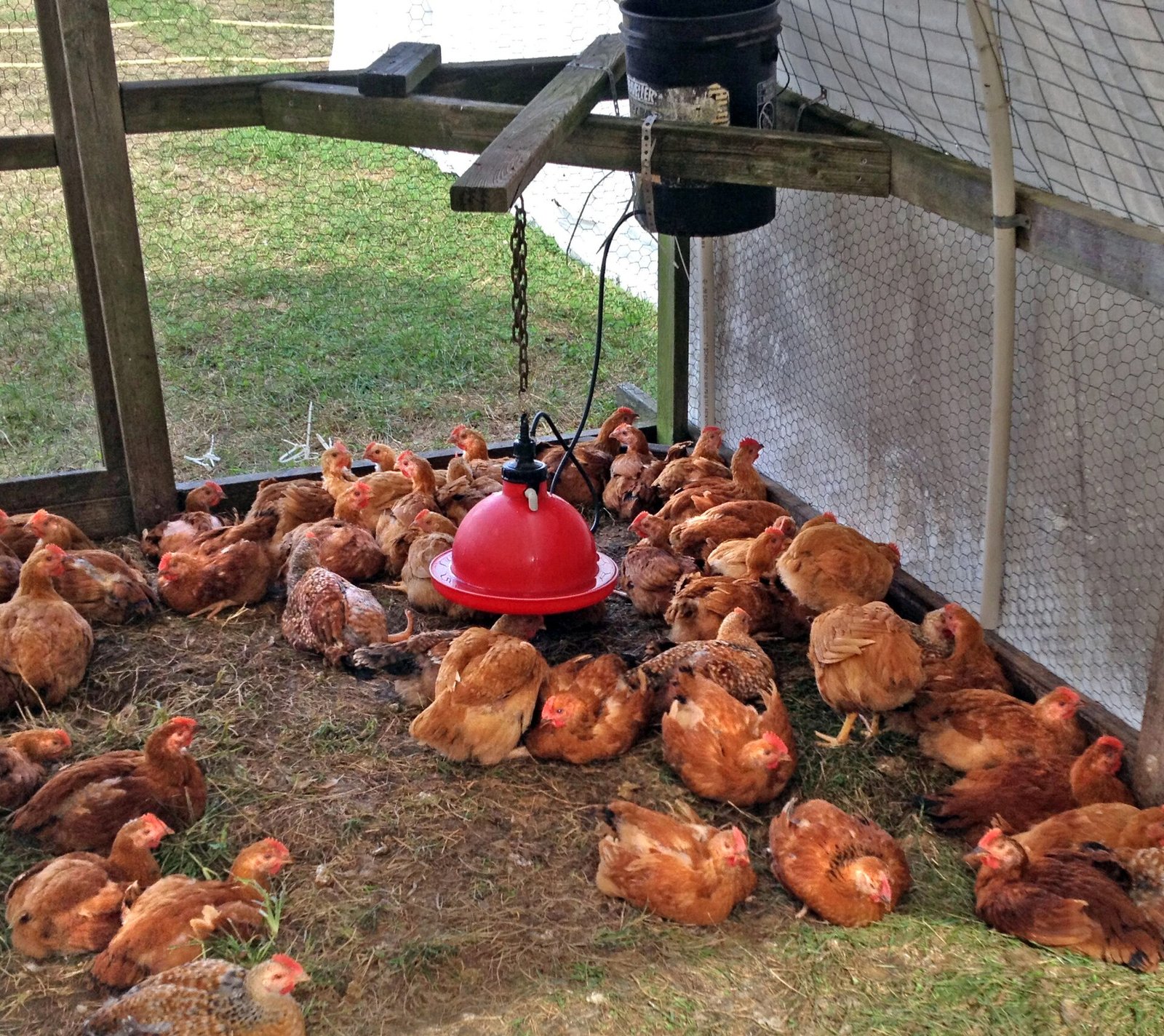
Start with the usable indoor floor and run areas, measured separately. Penn State Extension lists different minimums for each area and bird type, as shown below. Convert inches to square feet by multiplying length by width and dividing by 144. Divide each usable area by its respective minimum, round down, and use the smaller count. Exclude nesting boxes and other unavailable floor space. If a listing gives only overall dimensions or a combined total, ask for the missing measurements instead of calculating a confirmed capacity.
Or let the calculator do it. Enter your coop and run measurements and the number of hens, and it checks the selected floor-space minimums and identifies whether the house or run limits the result.
Chicken coop size calculator
Enter usable floor measurements in inches, not the outside dimensions or nesting boxes. Measure the enclosed house and run separately. Leave the run at 0 for a house-only calculation.
Based on the minimum space table from Penn State Extension (Small-Scale Poultry Housing): 1 sq ft inside and 4 in the run per bantam, 1.5 and 8 per laying hen, 2 and 10 per large chicken. These are minimums for birds with daily run access.
Material: wood vs. plastic vs. metal
The wooden units here use different construction: several list fir, while the OverEZ has a resin-treated floor and siding. The Snap Lock uses double-wall plastic and a removable litter tray. The VEVOR run uses galvanized steel tubing. Compare the materials, cleaning access and maintenance instructions; the listed materials alone do not establish a service life. Penn State Extension recommends moisture-resistant housing materials and access for cleaning.
Ventilation
Chickens put out a lot of moisture and ammonia, and a coop that smells sharp or has damp walls doesn't have enough airflow. Penn State calls for ample air movement without a draft and warns against windows or vents that open directly over the roost. Check the actual vent placement before choosing a coop.
Predator protection
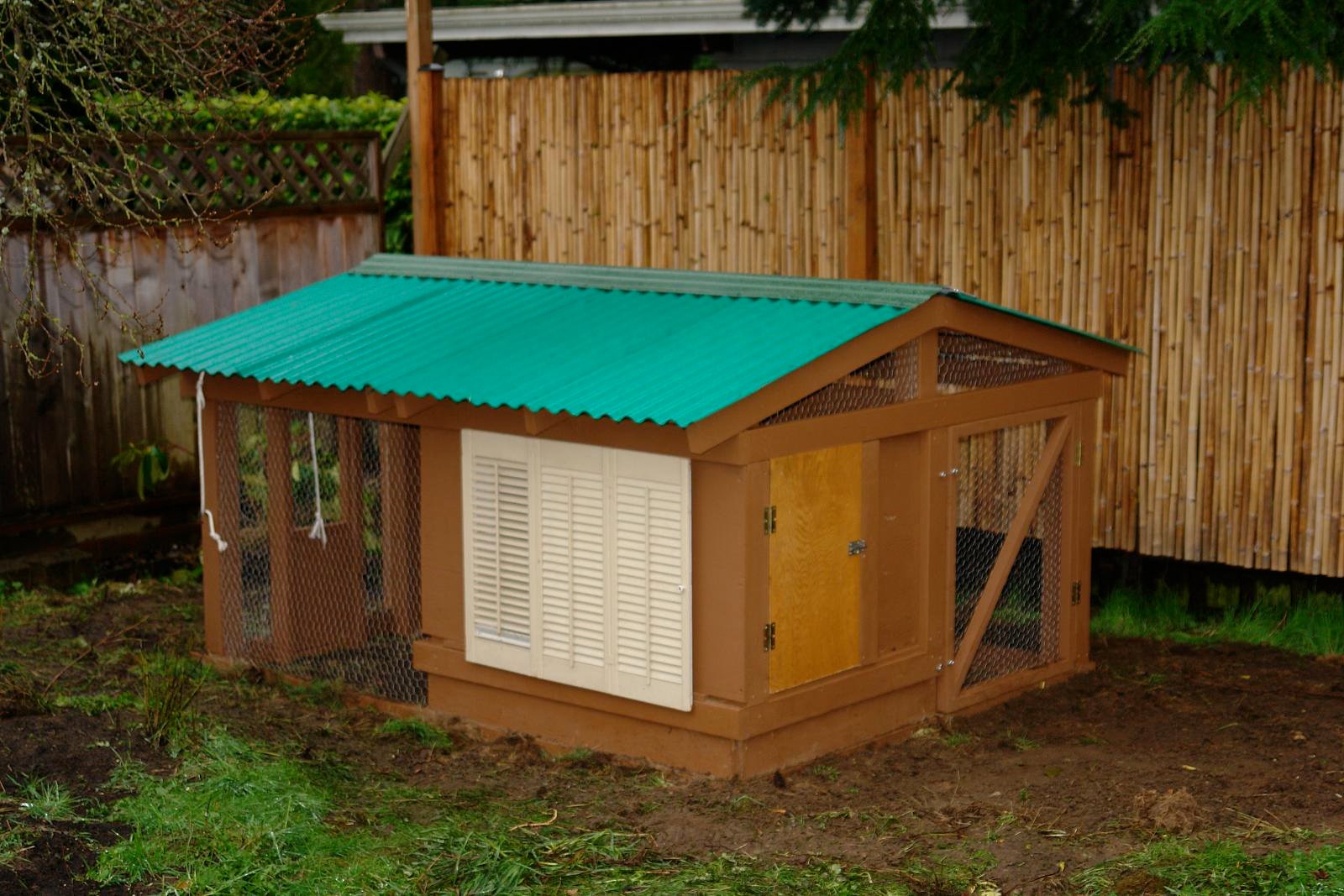
Use suitable hardware cloth at openings and assess latches, overhead protection and the ground perimeter. Poultry Extension recommends burying hardware cloth at least 12 inches to deter digging predators. A horizontal apron is a different installation: follow the appropriate local extension guidance for your soil and predator risks.
Roosts, nest boxes and cleaning
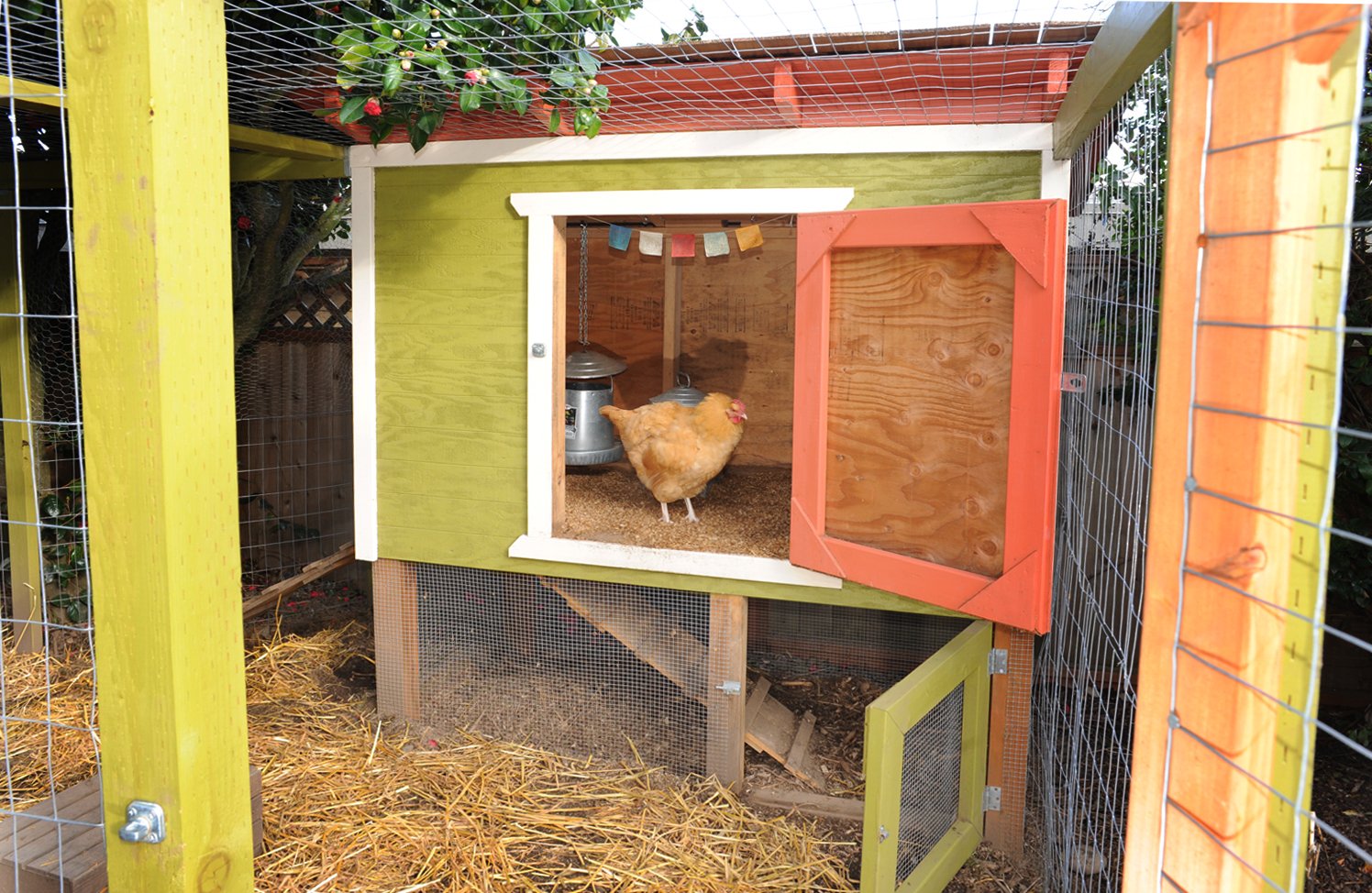
Give each standard hen at least 6 inches of roost bar (Penn State's figure; many keepers give more), with roosts about a foot apart and 18 to 24 inches off the floor. Penn State recommends placing nest boxes at least 2 feet off the floor and 4 feet from the roosts, with a lip to hold the bedding in. And check for a removable tray or a big clean-out door, because you'll be using it every week.
Setting up a prefab coop so it lasts
- Pick high, dry ground. Penn State recommends a high, well-drained spot to avoid damp floors.
- Protect the fir. If you seal or paint it, check the product label for use around animals, or ask your extension office.
- Upgrade the wire. Assess the existing mesh and add hardware cloth and ground protection using the extension guidance above.
- Check the latches on every door and upgrade any that feel flimsy.
- Add vents away from the roost and cover them with hardware cloth.
- Anchor it. Follow the manufacturer's anchoring instructions; the Petsfit includes six ground stakes.
FAQ
What's the best kind of chicken coop?
Choose a coop with enough usable indoor floor space and a suitable run for your flock, ventilation, secure openings and access for cleaning. Compare those features and the maintenance instructions before choosing wood, plastic or a metal run.
Is it cheaper to buy a chicken coop or build one?
Compare a complete materials list, tools, delivery and the value of your time with the delivered kit and any required upgrades. Include the run, ground protection and ventilation in both estimates; a kit price alone is not a complete setup cost.
Can I calculate capacity from outside dimensions?
No. Outside dimensions can include walls, nest boxes and an attached run. Ask for the usable indoor floor and outdoor run dimensions separately. A combined total does not establish the space available in each area.
Do chickens prefer round or flat roosts?
Poultry Extension reports that more laying hens use square than round perches. Avoid sharp edges, and check perch spacing and landing room as well as shape.
How many chickens can fit in a "4–6 chicken" coop?
The label alone does not establish capacity. Measure the usable indoor floor and run separately, apply the appropriate space minimum to each area, round down, and use the smaller count. If only total or outside dimensions are available, capacity remains unverified.
Do I need a run if my chickens free-range?
A secure run provides a place for confinement when free-ranging is unavailable. Size it for the whole flock and the time they will spend there, using the separate outdoor-space guidance above. Free-ranging does not establish the capacity or security of their sleeping house.
The bottom line
For easy cleaning, start by comparing the Snap Lock Large; for a heavier wooden build, look at the OverEZ Large. Before buying either, confirm the usable indoor dimensions and the size of the separate run. For attached-run models, ask for both areas. A capacity claim on the box is a starting point for questions, not a substitute for those measurements.
Featured photo: Josh Larios, CC BY-SA 2.0, via Wikimedia Commons.