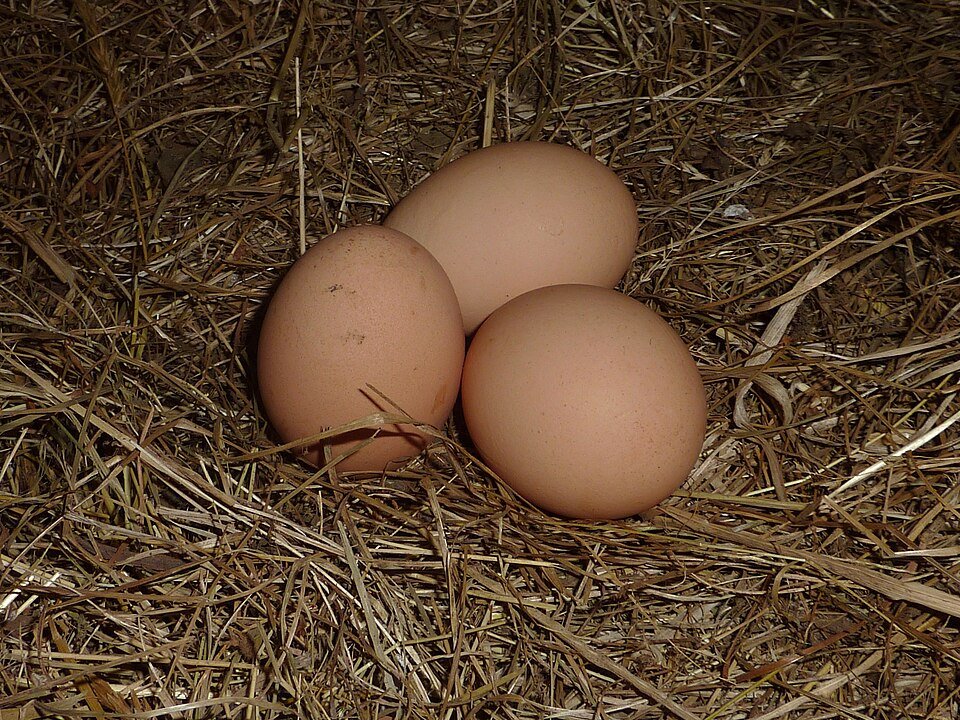
The best nesting pads for your chickens are the ones that fit the actual nest floor and have a replacement routine you can maintain. Start with a documented 13-inch-square excelsior pad for a nest that fits it, or a smaller rectangle when the measurements call for one. This comparison covers five replaceable-pad offers; it does not rank egg production, health benefits or service life.
We may earn a commission when you buy through links on this page.
Our picks at a glance
Start with the features that fit your setup.
13-inch aspen pads
Eaton Pet and Pasture Nesting Pads

A ten-pad aspen option with clear instructions to retain the paper backing. Measure the nest floor before ordering.
- Pad size
- 13 × 13 in
- Selected package
- 10 pads
Smaller rectangle; confirm footprint
Happy Hen Excelsior Nesting Pads

The maker gives 9 by 12 inches, while the exact Amazon offer says 9.5 by 12. Confirm the supplied footprint before fitting a close-sized nest.
- Pad size
- Maker: 9 × 12 in; listing: 9.5 × 12 in
- Selected package
- 15 pads in selected offer
Also in this guide
- Precision Pet Excelsior Nesting PadsPetmate ten-pack
- Duncans Poultry Excelsior Nest PadsForty-pad replacement supply
- Fresh Eggs Daily Aspen Nesting PadsSix-pad package with sample
Chicken nesting pads compared
| Product | Pad size | Selected package | Construction | Maintenance |
|---|---|---|---|---|
| Eaton Pet and Pasture Nesting Pads | 13 × 13 in | 10 pads | Aspen excelsior + kraft-paper backing | Replace when soiled or damaged |
| Precision Pet Excelsior Nesting Pads | 13 × 13 in | 10 pads | Wood excelsior; paper-backed listing | Replace when soiled or damaged |
| Happy Hen Excelsior Nesting Pads | Maker: 9 × 12 in; listing: 9.5 × 12 in | 15 pads in selected offer | Wood excelsior | Replace when soiled or damaged |
| Duncans Poultry Excelsior Nest Pads | 13 × 13 in | 40 pads | Aspen excelsior + kraft paper | Replace when soiled or damaged |
| Fresh Eggs Daily Aspen Nesting Pads | 13 × 13 in | 6 pads +2 oz herb sample | Aspen pads | Replace when soiled or damaged |
Five nesting-pad offers
01 / 13-inch aspen pads
Eaton Pet and Pasture Nesting Pads
Best for: Keepers who want a documented aspen-and-paper pad for a nest that fits a 13-inch square.
- Pad size
- 13 × 13 in
- Selected package
- 10 pads
Why consider it
- Material and backing identified by the manufacturer
- Ten individual pads for separate replacements
- Backing-retention instruction is explicit
Keep in mind
- 13-inch square still needs an internal fit check
- No independently established replacement interval
Read the full analysis of Eaton Pet and Pasture Nesting Pads
Eaton specifies aspen excelsior fibers and a kraft-paper backing for these pads. The selected Amazon package contains ten 13-by-13-inch pads. That makes it a straightforward reference option when you have measured a traditional nest and want to replace individual liners instead of refilling it with loose material.
Keep the backing attached: Eaton specifically says not to remove it. Place the pad according to the nest’s own instructions, and inspect both the pad and the surface below. The paper layer is part of this product’s construction, not permission to leave a wet liner in place or evidence that eggs will always remain clean.
Choose the ten-pack if its footprint and storage quantity suit your setup. The manufacturer’s direct store and Amazon can show different stock, so check the selected offer at purchase. We have not measured replacement life, compared absorbency or verified the maker’s health and pest-control claims; those claims do not determine this selection.
Key specs: Selected package: ten pads; nominal pad size 13 × 13 inches; aspen excelsior with kraft-paper backing.

02 / Petmate ten-pack
Precision Pet Excelsior Nesting Pads
Best for: A conventional 13-inch-square nest when you want the Petmate/Precision Pet ten-pad package.
- Pad size
- 13 × 13 in
- Selected package
- 10 pads
Why consider it
- Maker confirms the pad size and package count
- Separate liners allow individual replacement
- Familiar 13-inch-square format for measured nests
Keep in mind
- Shipping dimensions can be mistaken for pad size
- No documented advantage over other same-size pads established here
Read the full analysis of Precision Pet Excelsior Nesting Pads
Petmate’s own product page identifies a 13-by-13-inch pad and a ten-pack. The selected Amazon listing describes wood shavings with a paper backing. This is a traditional replaceable liner, with a different maintenance routine from a washable plastic mat. It belongs on the list for its documented footprint and package, not a claim of superior egg production.
Use the stated pad size when checking fit. The maker also lists larger dimensions in its logistics information; those do not describe a larger usable nest liner. If your nest floor has rounded corners, dividers or a retaining lip, compare its actual clear floor with the pad instead of relying on “fits most nests.”
This and Eaton share the same nominal footprint and count. There is no supported reason here to declare one universally softer, longer lasting or more absorbent. Compare the supplied construction, the nest’s instructions and the package you can store dry. Country-of-origin fields on Petmate’s page are inconsistent, so origin is not part of our recommendation.
Key specs: Selected package: ten pads; nominal pad size 13 × 13 inches; wood excelsior with paper backing described in the listing.
03 / Smaller rectangle; confirm footprint
Happy Hen Excelsior Nesting Pads
Best for: Nests whose measured floor suits a smaller rectangle rather than a 13-inch square.
- Pad size
- Maker: 9 × 12 in; listing: 9.5 × 12 in
- Selected package
- 15 pads in selected offer
Why consider it
- Smaller rectangular format than the 13-inch-square options
- Fifteen separate replacements in the selected offer
- Manufacturer identifies wood-excelsior construction
Keep in mind
- Maker 9-by-12 and listing 9.5-by-12 dimensions differ
- Smaller rectangle may leave an unwanted uncovered strip
Read the full analysis of Happy Hen Excelsior Nesting Pads
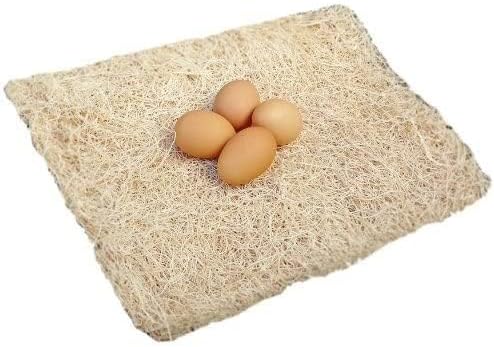
The selected Happy Hen offer is a 15-pack of wood-excelsior pads. The manufacturer gives a 9-by-12-inch footprint; the exact Amazon listing says 9.5 by 12 inches. We use the maker’s dimensions as the reference and retain the half-inch discrepancy as a fit question to resolve with the seller before buying. The maker identifies excelsior but does not identify a wood species on the cited page.
Measure in both directions. A 9-by-12-inch pad occupies less floor than a 13-by-13-inch square, so being able to insert it does not establish full coverage. Confirm the supplied footprint, especially for a close-fitting tray. Check whether a gap remains along an edge and whether the nest maker permits this kind of liner. The package’s pad count does not compensate for an unsuitable footprint.
A fifteen-pad supply may be manageable when you have space to keep replacements dry but do not want a forty-pad bundle. Replacement frequency still depends on actual condition and use. We do not interpret the extra pads as proof of better value or longer service, and the maker’s clean-egg and breakage language is not a measured result from us.
Key specs: Selected offer: 15 pads, model 089-00391. Maker’s pad dimensions: 9 × 12 inches; Amazon listing: 9.5 × 12 inches. Wood excelsior; confirm supplied footprint.
04 / Forty-pad replacement supply
Duncans Poultry Excelsior Nest Pads
Best for: Keepers who already know a 13-inch-square excelsior pad suits their nests and can store a larger supply dry.
- Pad size
- 13 × 13 in
- Selected package
- 40 pads
Why consider it
- Forty-pad bundle for an established replacement routine
- Maker identifies aspen fibers and kraft paper
- Same nominal square footprint as common 13-inch pads
Keep in mind
- Larger supply requires suitable dry storage
- Too much stock if you have not confirmed fit or flock acceptance
Read the full analysis of Duncans Poultry Excelsior Nest Pads
Duncans’ own forty-pack page describes 13-by-13-inch excelsior pads made from aspen fibers and brown kraft paper. The selected Amazon bundle also contains forty pads. Choose this quantity after confirming the fit and maintenance method, rather than using a large first order as a substitute for checking the nest.
For a simple inventory example, four nests using one pad each would take four pads for a complete replacement, leaving thirty-six from this bundle. That is ten complete sets in total. It does not mean ten months of bedding: inspection and replacement depend on soiling, moisture, damage and the actual condition of each nest.
The tradeoff is storage. Keep the unused liners protected from moisture and contamination, and consider whether that quantity is practical for your flock. Duncans also sells other pack counts, which are the same basic type of liner rather than separate designs. We include one bundle here and do not count those other sizes as extra recommendations.
Key specs: Selected bundle: forty pads; nominal pad size 13 × 13 inches; aspen excelsior and brown kraft paper.

05 / Six-pad package with sample
Fresh Eggs Daily Aspen Nesting Pads
Best for: Keepers who have confirmed a 13-inch-square fit and prefer a six-pad supply to a larger bundle.
- Pad size
- 13 × 13 in
- Selected package
- 6 pads +2 oz herb sample
Why consider it
- Brand’s store confirms aspen pads and a six-pack
- Selected offer specifies a 13-inch-square footprint
- Smaller replacement quantity than the larger bundles
Keep in mind
- Selected offer bundles an herb sample unrelated to the pad-fit decision
- No measured service-life or absorbency advantage established
Read the full analysis of Fresh Eggs Daily Aspen Nesting Pads
Fresh Eggs Daily’s own store identifies an aspen nesting-pad six-pack, and the exact selected Amazon offer gives a 13-by-13-inch footprint. It also contains a 2-ounce sample of Coop Confetti nesting herbs. The pad supply is the reason to compare this offer; the extra sample is a package detail, not evidence of a health, pest-control or egg-production benefit.
Six pads can be a manageable inventory for a keeper who has already checked fit and does not want a large bundle. For an example with three nests using one pad each, the package contains two complete sets. That is a count of replacements, not two months of service or a prediction that every nest needs replacing together.
Compare the actual pad construction and supplied instructions before changing from another liner. We have not established longer life or greater absorbency than the other aspen options. Do not treat the included sample as required nest material, and do not assume the sample gives the package a performance advantage over pads sold on their own.
Key specs: Selected Amazon offer: six aspen pads, nominal 13 × 13 inches, plus a 2-ounce Coop Confetti nesting-herb sample. No effect of the sample is assessed.
How we chose
We compared the exact package, nominal pad size, stated construction and available manufacturer information. The selections are five replaceable wood-fiber pad offers. The first two cards highlight a conventional square footprint and a smaller rectangle, with the Happy Hen dimension discrepancy stated explicitly. They are decisions about fit, not test scores or proof that hens prefer either pad.
Manufacturer information was checked for Eaton, Precision Pet, Happy Hen, Duncans and Fresh Eggs Daily. The Amazon offers were read directly for the selected ASINs and their main photographs. We excluded an unavailable offer and the Small Pet Select eight-pack because its aspen description could not be reconciled with the maker’s craft-paper description. Different pack sizes of one basic product were not counted as separate models. Stock can vary by address and time.
We have not used these pads or measured their absorbency, replacement interval or effect on eggs. Marketing statements about cleaner eggs, reduced breakage, pest control or a healthier flock are not comparative evidence here. A pad remains one part of a maintained nest. Questions about bird health belong with a veterinarian, not with a choice between package counts.
How to choose chicken nesting pads
Measure the usable nest floor
Measure the clear width and depth inside the compartment, including any rounded corners, divider feet or retaining lip. The outside width of the nest assembly does not establish the liner size. Check that a pad lies as intended without bunching against the walls or creating a raised edge at the entrance. Follow the nest maker’s instructions for the lining material and depth.
For a fit example, a 13-inch-square pad occupies 169 square inches before any shaping, while a 9-by-12-inch pad occupies 108. Those calculations explain the difference in nominal footprint; they are not a hen-space requirement. A small pad that is easy to insert may still leave part of the intended laying surface uncovered. A larger one that folds up the walls may be the wrong choice too.
Identify the construction before comparing claims
Excelsior describes fine wood fibers, not a certification of absorbency or lifespan. Where a product has a paper backing, check the maker’s directions before removing it. Eaton says to retain its backing. Do not transfer that instruction to an unrelated liner without checking, and do not assume all products described as natural are built the same way.
The excluded Small Pet Select eight-pack illustrates why exact versions matter: its listing says aspen, while the maker’s twelve-pack page says craft paper. That construction difference could not be resolved, so it is not one of the five recommendations. For Happy Hen, the construction is wood excelsior, but the maker’s 9-by-12-inch size differs from the offer’s 9.5-by-12-inch description. Use the maker’s size as the reference and confirm the delivered footprint for a close fit.
Keep package quantity separate from useful life
Count the nests you actually maintain, then decide how many spare liners you can store dry. A forty-pad bundle can suit an established routine but create unnecessary storage for a keeper still checking fit. A fifteen-pad package does not automatically last longer than a ten-pack because the pads can have different footprints and replacement conditions.
Avoid fixed monthly replacement promises. Inspect for wetness, contamination, damage and the condition beneath the pad. Replace affected material as needed and follow the product and nest instructions. A tidy-looking surface alone does not establish that the liner is dry or suitable to leave in place.
Fit and replacement checks that matter
Utah State University Extension’s backyard-chicken guidance calls for clean, dry nest material. That is a condition to maintain, not a guarantee supplied by a branded pad. Inspect the floor and edges when removing a liner, address any water source and install a replacement only in a nest ready to receive it.
Use one compartment as a fit check before opening a large stored supply. Confirm that the pad sits correctly, the entrance remains accessible and the product is allowed by the nest’s design. Observe how the flock uses it without treating a single bird’s first visit as a preference test. Do not force a hen onto a pad to demonstrate acceptance.
Keep unused pads away from moisture and soiled material. Record the package and model if you plan to reorder, because a similarly titled offer may contain a different count or footprint. If you change products, recheck the measurements rather than assuming every “standard” nesting pad is identical.
A roll-away nest needs its own lining instructions
A thick replaceable pad can interfere with an egg path designed for a different surface or a thin liner. Do not put one of these products into a roll-away tray merely because its width fits. Confirm the approved lining arrangement and collection clearance with the nest manufacturer. Removing a pad or trimming it is also a modification to check, not a universal solution.
These selections are for nest lining, not brooder flooring or whole-coop bedding. A manufacturer may market one material for several uses, but that does not establish that the same depth, arrangement or maintenance applies to each. Keep the nest task separate when calculating quantities.
FAQ
Are 13-by-13-inch nesting pads a universal fit?
No. Check the usable floor inside your particular compartment, including lips and corners, and follow the nest manufacturer’s lining instructions.
Should I remove a nesting pad’s paper backing?
Check the product instructions. Eaton explicitly says to keep its backing attached. Do not assume that an unrelated product is constructed or used the same way.
How long does one pad last?
This comparison establishes no measured replacement interval. Inspect the pad and the surface beneath, and replace wet, soiled or damaged material as needed.
Can I put these pads in a roll-away nest?
Only if the nest maker permits that type of liner. A pad can fit the tray and still interfere with the intended egg path.
Does a nesting pad make eggs safe or eliminate pests?
No such guarantee is established here. The guide does not use health, egg-safety or pest-control claims to rank pads. Maintain the nest and seek appropriate advice for flock-health concerns.
Choose by fit, then by the supply you can maintain
Start with the internal nest measurements and a documented construction. Compare the nominal footprint and selected pack count, resolve any material discrepancy and check the nest’s lining instructions. Choose a quantity you can store dry and replace when its condition calls for it. That produces a more useful decision than treating every extra pad as another month of service.
Cover photograph by brittgow, CC BY 2.0, via Wikimedia Commons. This contextual photograph does not depict a selected product or certify the photographed installation.
